


Flip Top Cap Mould

Your Leading Flip Top Cap Mould Manufacturer
YIDIAN Mould Co., Ltd. is situated in Huangyan, a renowned "land of plastic mold" on the East China Sea coast. As a professional manufacturer, supplier, and exporter of bottle cap molds, we boast advanced scientific research technology, professional R&D and manufacturing capabilities, and a global sales network covering various regions around the world.
Rich Experience
YIDIAN mould is your reliable mould manufacturer. We have been focusing on various kinds of plastic cap and handle molds for about 10 years.
Comprehensive Range
Our range includes CSD water cap molds, 5-gallon cap molds, sports cap molds, beverage cap molds for juice and milk, flip-top cap molds, cosmetic cap molds, and more.
Customization Service
Our company offers customized services for bottle cap molds, allowing us to design and manufacture the most efficient molds based on your industry requirements.
Advanced Equipment
We have a range of top-notch CNC machines, such as EDMmachine, carving machine, and other high precision machining equipment. They ensure full numerical control, high efficiency, and precise manufacturing of key parts.
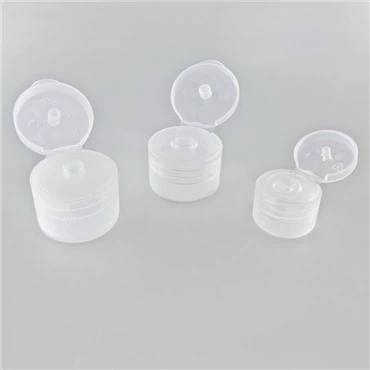
A flip top cap mould is a type of injection mould used for producing flip-top caps for containers. Flip top caps are commonly used in various industries, including food, beverage, pharmaceuticals, and cosmetics, to seal and protect the contents of a container from contamination or spillage.
-
![Cosmetic Flip Top Cap Mould]()
Cosmetic Flip Top Cap Mould
The design of the cosmetic flip lid is convenient for consumers to use in their daily life. TheAdd to Inquiry -
![Flip Top Mould]()
Flip Top Mould
Flip top mould is a type of plastic injection mould that allows for easy opening and closing ofAdd to Inquiry -
![Wet Wipes Lid Mold]()
Wet Wipes Lid Mold
Wet wipes are indispensable in our daily life. Its design is convenient for people to use, so theAdd to Inquiry -
![12 Cavity Flip Top Cap Mould]()
12 Cavity Flip Top Cap Mould
12-cavity flip top cap mould Flip-cap refers to a plastic bottle cap with a flip-up top. The mainAdd to Inquiry -
![16 Cavity Flip Top Cap Mould]()
16 Cavity Flip Top Cap Mould
Flip top cap design is widely used in daily life, such as shower gel, shampoo, lotion and so on.Add to Inquiry -
![Soy Sauce Flip Top Cap Mold Lid Mould]()
Soy Sauce Flip Top Cap Mold Lid Mould
The soy sauce flip top cap mould lid mould is divided into two parts: the upper cover and the lowerAdd to Inquiry -
![Plastic Injection Shampoo Flip Top Cap Mould]()
Plastic Injection Shampoo Flip Top Cap Mould
The plastic injection shampoo flip top cap mould have advanced and trustworthy designs, each cavityAdd to Inquiry -
![Spice Flip Top Cap Mould]()
Spice Flip Top Cap Mould
Spice flip top lid are often seen in kitchen utensils. The process of spice flip top cap mould isAdd to Inquiry


Advantages of Flip Top Cap Mould
Accuracy
Flip-top cap moulds can produce caps with exacting tolerances. This is important for ensuring the caps fit properly on bottles and other containers.
Speed
Flip-top cap moulds can produce caps quickly and efficiently. This is important for businesses that need to produce large quantities of caps.
Cost-effectiveness
Flip-top cap moulds are a cost-effective way to produce caps. The cost of the mould can be amortised over the number of caps that are produced.
Versatility
Flip top cap moulds can be customized to produce caps of various sizes, shapes, and designs. This allows manufacturers to cater to different industries and meet specific customer requirements.
Durability
Moulds are typically made from high-quality materials, such as steel or aluminum, ensuring their durability and longevity. They can withstand repeated use and high-pressure injection molding processes without significant wear or damage.
Reduced material wastage
The use of moulds minimizes material wastage during the manufacturing process. The moulds are designed to precisely shape the caps, minimizing the need for excess material and reducing scrap rates.
Types of Flip Top Cap Moulds

Two-plate mould
The two-plate mould is a simpler design where the cavity plate and core plate are mounted directly on the machine platens. The two halves of the mould come together to create the flip-top cap, and then separate during ejection. Two-plate moulds are suitable for lower volume production runs.
Three-plate mould
The three-plate mould, also known as a stripper plate mould, has an additional stripper plate that separates the runner system from the moulded part during ejection. This design allows for faster cycle times and is more suitable for high-volume production. The three-plate mould also allows for more complex designs with undercuts or internal threads.

Cavity plate: The cavity plate is the part of the mold that creates the external shape and features of the flip top cap. It contains one or multiple cavities, each corresponding to a single cap. The cavity plate is typically made of high-quality steel or aluminum.
Core plate
The core plate is the counterpart to the cavity plate and creates the internal shape and features of the flip top cap. It includes cores that fit into the cavities of the cavity plate. The core plate is also made from durable materials like steel or aluminum.
Runner system
The runner system consists of channels or passages that allow the molten plastic to flow into the cavities of the mold. It ensures proper filling of the cavities during the injection molding process. The runner system can be designed differently depending on the type of flip top cap mold, such as a two-plate or three-plate mold.
Ejection system
The ejection system is responsible for pushing the molded flip top caps out of the mold cavities after they have solidified. It typically includes ejector pins or plates that apply force to separate the caps from the mold. The ejection system helps to ensure smooth and efficient removal of the caps from the mold.
Cooling system
The cooling system consists of water channels or other cooling mechanisms embedded within the mold. It helps to rapidly cool and solidify the molten plastic after injection, allowing for faster cycle times and maintaining the desired shape of the flip top caps.
Guide pins and bushings
Guide pins and bushings are used to align and guide the movement of the different mold plates during the opening and closing of the mold. They ensure proper alignment and precise operation of the mold.
Sprue bushing
The sprue bushing is a component located at the entry point of the molten plastic into the mold. It helps direct the flow of the plastic material into the runner system.
How does a flip top cap mould work?
A flip top cap mould works through a process called injection molding. Here are the basic steps involved:
Design and preparation: The flip top cap mould is designed based on the desired cap specifications, including size, shape, and features. The mould is typically made from high-quality materials like steel or aluminum. Once the mould is ready, it is mounted onto an injection molding machine.
Injection: The injection molding machine melts plastic resin pellets (such as polypropylene) and injects the molten plastic into the mould cavity under high pressure. The plastic fills the cavities and takes the shape of the flip top cap.
Cooling: After the molten plastic is injected, the mould is cooled using water channels or other cooling methods. This solidifies the plastic and helps it retain the desired shape.
Ejection: Once the plastic has cooled and solidified, the mould opens, and ejector pins or plates push the flip top caps out of the mould cavities. The ejection system ensures that the caps are removed without causing any damage.
Post-processing: The ejected flip top caps may undergo additional post-processing steps, such as trimming excess plastic, inspecting for defects, or adding labels or decorations.
Repeat: The entire process is repeated continuously to produce a large quantity of flip top caps.
Applications of Flip Top Cap Moulds

Personal care and cosmetics
Flip top caps are commonly used for packaging products such as shampoos, conditioners, lotions, creams, and other personal care items. The flip top design allows for easy dispensing and helps to prevent leakage or spillage.

Food and beverage
Flip top caps are used in the packaging of condiments, sauces, dressings, and other food products that require controlled dispensing. They are also used for bottles containing beverages like water, juices, and soft drinks.

Pharmaceutical and healthcare
Flip top caps are used for packaging pharmaceutical products, such as tablets, capsules, and oral liquids. They provide convenience and safety by allowing easy access to the contents while maintaining product integrity.

Homecare and cleaning products
Flip top caps are commonly used for packaging household cleaning products like detergents, dishwashing liquids, and surface cleaners. The flip top design enables controlled pouring or spraying of the product.

Industrial and automotive
Flip top caps are used in industrial applications for packaging chemicals, lubricants, and automotive fluids. The secure closure of flip top caps helps to prevent contamination and ensures safe handling of hazardous substances.

Pet care products
Flip top caps are used for packaging pet care products like shampoos, conditioners, and grooming solutions. The flip top design makes it easy to dispense the desired amount of product while keeping the rest securely sealed.
How To Cooperate With Us?
Contact us
You can contact us via email, phone, or through our website to discuss your requirements and specifications for the flip top cap mould.
Provide information
We will require detailed information about your product, such as the size, shape, and material of the cap, as well as any specific features or requirements you may have. We may also ask for samples of your product to ensure that the mould is designed to your exact specifications.
Design and quotation
Based on the information you provide, we will create a design for the flip top cap mould and provide you with a quotation for the cost of the mold.
Approval and payment
Once you approve the design and accept the quotation, we will require a deposit payment before beginning the manufacturing process. We will work closely with you throughout the process to ensure that the design meets your expectations.
Production and delivery
After the design is finalized and approved, we will manufacture the flip top cap mould using high-quality materials and advanced technology. Once completed, we will deliver the mould to your location.
Testing and revisions
Before production, we recommend testing the mould to ensure that it produces the desired results. If any revisions are needed, we will work with you to make any necessary adjustments.
FAQ
Q: What materials are used to manufacture flip top cap moulds?
Q: How long does it take to manufacture a flip top cap mould?
Q: How many cavities can a flip top cap mould have?
Q: What type of injection molding machine is needed to manufacture flip top caps?
Q: What is the expected lifespan of a flip top cap mould?
Q: What is the cost of a flip top cap mould?
Q: Can flip top cap moulds be modified or repaired?
Q: What is the maximum production rate for flip top caps?
Q: What are the different types of flip top cap moulds?
Q: What is the difference between a hot runner system and a cold runner system?
Q: What is the role of the cooling system in a flip top cap mould?
Q: How many ejector pins are needed in a flip top cap mould?
Q: What is the function of guide pins and bushings in a flip top cap mould?
Q: What are the typical dimensions of a flip top cap mould?
Q: Can flip top cap moulds be customized according to specific requirements?
Q: How to ensure the quality of flip top cap moulds?
Q: What are some common defects in flip top caps, and how to avoid them?
Q: What is the design process for manufacturing flip top cap moulds?
Q: What is the testing process for flip top cap moulds?
Q: How to maintain flip top cap moulds?
Q: What is the delivery time for flip top cap moulds?
Q: What certifications are required for flip top cap moulds?
Q: What are the environmental considerations for flip top cap moulds?
