


YIDIAN: Your Professional Cap Mould Manufacturer
YIDIAN Mould Co., Ltd. is situated in Huangyan, a renowned "land of plastic mold" on the East China Sea coast. As a professional manufacturer, supplier, and exporter of bottle cap molds, we boast advanced scientific research technology, professional R&D and manufacturing capabilities, and a global sales network covering various regions around the world.
Customization Service
Our company offers customized services for bottle cap molds, allowing us to design and manufacture the most efficient molds based on your industry requirements.
Advanced Equipment
We have a range of top-notch CNC machines, such as EDMmachine, carving machine, and other high precision machining equipment. They ensure full numerical control, high efficiency, and precise manufacturing of key parts.
Rich Experience
YIDIAN mould is your reliable mould manufacturer. We have been focusing on various kinds of plastic cap and handle molds for about 10 years.
Comprehensive Range
Our range includes CSD water cap molds, 5-gallon cap molds, sports cap molds, beverage cap molds for juice and milk, flip-top cap molds, cosmetic cap molds, and more.
-
![48 Cavity Plastic Cap Mould]()
48 Cavity Plastic Cap Mould
The 48 cavity plastic cap mold, with the design of forty-eight out of one, greatly increases theAdd to Inquiry -
![16 Cavity Oil Cap Mould]()
16 Cavity Oil Cap Mould
The 16 cavity oil cap mould design of one mold and multiple cavities greatly improves theAdd to Inquiry -
![Cosmetic Flip Top Cap Mould]()
Cosmetic Flip Top Cap Mould
The design of the cosmetic flip lid is convenient for consumers to use in their daily life. TheAdd to Inquiry -
![6-Heli Cap]()
6-Heli Cap
Heli cap is a large supplier of complete packaging systems for liquid foods (such as milk andAdd to Inquiry -
![5-Heli Cap]()
5-Heli Cap
Heli cap is a large supplier of complete packaging systems for liquid foods (such as milk andAdd to Inquiry -
![4-Heli Cap]()
4-Heli Cap
Heli cap is a large supplier of complete packaging systems for liquid foods (such as milk andAdd to Inquiry -
![3-Heli Cap]()
3-Heli Cap
Heli cap is a large supplier of complete packaging systems for liquid foods (such as milk andAdd to Inquiry -
![28mm Bottle Caps Mold]()
28mm Bottle Caps Mold
28mm bottle caps mold is a vital component in the production of bottle caps. It is designed toAdd to Inquiry


What is a cap mould?
A cap mold, also known as a cap mould, is a specialized mold used in the manufacturing process of caps or closures for bottles, containers, or other packaging products. It is designed to create the specific shape, size, and features of the cap, such as the threads, tamper-evident bands, and sealing mechanisms.
Advantages of Cap Molds
Long service life
The mold core and cavity are made of Assarb S136 steel after heat treatment to ensure hardness and life.
Reduced Waste
A hot runner system with German heating elements accelerates plastic flow in the molten state, saves materials, and ensures product quality stability.
High Precision
Use advanced processing equipment to process molds with high precision. In addition, bridge-type three-coordinate measuring instruments and articulated arm measuring instruments are used to precisely control mold size.
Low Maintenance
Interchangeable inserts save material costs and are convenient for repairs and maintenance. We provide spare parts, such as core/cavity inserts and other replaceable mold parts, for quick replacement of damaged parts.
Cost-effectiveness
Cap molds can be cost-effective in large-scale production as they enable efficient and rapid manufacturing processes. The molds can be used repeatedly, reducing the per-unit production cost.
Versatility
Cap molds can be used for various types of caps and closures, including screw caps, flip-top caps, sports caps, and more. This versatility allows manufacturers to produce a wide range of caps using the same mold.
Common Type of Cap Molds

Screw Cap Molds
These are used for producing caps with screw threads, which are commonly used in the packaging of beverages, cosmetics, and pharmaceutical products.
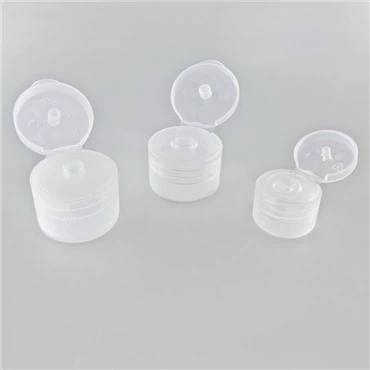
Flip-Top Cap Molds
These are used for producing caps with flip-top lids that can be opened and closed with one hand, making them ideal for use in dispensing products such as shampoo, lotion, and condiments.

Sports Cap Molds
These are used for producing caps with push-pull or push-twist mechanisms, which are commonly used in sports drinks and other beverages.

Snap-On Cap Molds
These are used for producing caps that snap onto the top of a container, providing a secure seal and easy access to the contents.

Tamper-Evident Cap Molds
These are used for producing caps that provide visual evidence of tampering, ensuring the safety and integrity of the product.

Dispensing Cap Molds
These are used for producing caps with dispensing mechanisms, such as pumps or spray nozzles, which are commonly used in the packaging of liquid products such as soap, cleaning products, and personal care items.
Applications of Cap Molds
Packaging Industry: Cap molds are extensively used in the packaging industry for producing caps and closures for bottles, jars, containers, and tubes. They play a crucial role in ensuring product safety, freshness, and convenience.
Food and Beverage Industry: Cap molds are used in the production of caps for food and beverage packaging, such as water bottles, soda bottles, juice containers, condiment bottles, and more. They help maintain product quality, prevent leakage, and provide tamper-evident features.
Pharmaceutical Industry: Cap molds are utilized in the manufacturing of caps for pharmaceutical packaging, including medicine bottles, pill bottles, and vials. They ensure proper sealing, tamper resistance, and protection of medications.
Cosmetics and Personal Care Industry: Cap molds are employed in the production of caps for cosmetics and personal care products, such as shampoo bottles, lotion bottles, cream jars, and perfume bottles. They contribute to product integrity, ease of use, and aesthetic appeal.
Chemical and Industrial Products: Cap molds find applications in the packaging of chemical products, lubricants, household cleaning agents, and other industrial products. They help prevent spills and contamination and ensure proper handling and storage.
Automotive and Engineering Industry: Cap molds are utilized in the production of caps for automotive components, machinery parts, and engineering products. They assist in protecting sensitive components from dust, moisture, and damage.
Medical and Laboratory Settings: Cap molds are used in the fabrication of caps for medical devices, laboratory equipment, and specimen containers. They aid in maintaining sterility, preventing cross-contamination, and ensuring sample integrity.
Materials used in the Cap Mould

Cap molds can be made from various materials, depending on the specific needs and requirements of the product and manufacturing process. Some of the common materials used in the fabrication of cap molds include:
Steel: Steel is a popular choice for cap molds due to its durability, strength, and resistance to wear and tear. It is suitable for high-volume production and produces highly precise and consistent results.
Aluminum: Aluminum is another popular material used in cap mold manufacturing. It is lightweight, easy to machine, and has excellent thermal conductivity, making it ideal for rapid cooling and fast cycle times.
Stainless Steel: Stainless steel is used for cap molds that require high corrosion resistance, such as those used in the packaging of food, beverages, and pharmaceuticals. It is also easy to clean and maintain.
Brass: Brass is used for producing cap molds that require high precision and accuracy. It is an excellent conductor of heat, making it suitable for molds that require rapid heating and cooling.
Copper: Copper is used for cap molds that require excellent heat transfer properties. It is also highly resistant to deformation, making it ideal for molds that require high pressure and force.
Plastic: Plastic cap molds are used for producing caps with intricate designs and shapes. They are cost-effective and easy to manufacture, but have a shorter lifespan compared to metallic molds.
Maintenance Tips for Cap Mold
Regular Cleaning: Clean the cap mold regularly to remove any residue, debris, or build-up that can affect the mold's performance. Use appropriate cleaning agents and tools recommended by the mold manufacturer.
Inspection and Lubrication: Regularly inspect the cap mold for any signs of wear, damage, or misalignment. Pay attention to areas such as ejector pins, sliders, and guide pins. Lubricate moving parts with a suitable lubricant to ensure smooth operation and prevent friction-related issues.
Proper Storage: When not in use, store the cap mold in a clean and dry environment. Protect it from dust, moisture, and exposure to extreme temperatures. Consider using a mold storage rack or case to prevent damage.
Preventative Maintenance Schedule: Establish a preventative maintenance schedule for the cap mold based on the manufacturer's recommendations and production volume. This may include tasks such as cleaning, lubrication, inspection, and mold component replacement.
Mold Component Replacement: Regularly check the condition of mold components, including inserts, cores, cooling channels, and ejector pins. Replace worn-out or damaged components promptly to maintain the mold's performance and minimize production issues.
Proper Handling: Handle the cap mold with care to avoid dropping or mishandling, which can lead to damage or misalignment of critical mold components. Follow proper mold handling procedures and use appropriate lifting equipment if necessary.
Precautions for using cap mold
- Safety Gear: Wear appropriate personal protective equipment (PPE) such as gloves, safety glasses, and protective clothing when handling the mold or working with mold components.
- Proper Installation: Install the cap mold correctly, according to the manufacturer's instructions, to avoid any misalignment or damage to the mold components.
- Avoid Overloading: Do not overload or overwork the cap mold beyond its capacity. Follow production guidelines and recommended cycle times to avoid damage to the mold and ensure consistent production quality.
- Use Correct Materials: Use only appropriate materials approved for use with the cap mold to avoid any unwanted chemical reactions or damage to the mold.
- Proper Cooling: Ensure that the cap mold is properly cooled to avoid overheating, warping, or deformation of the mold and resulting in poor quality caps.
- Regular Maintenance: Perform regular maintenance of the cap mold as recommended by the manufacturer to maintain optimal performance and avoid any unexpected downtime or production issues.
- Proper Storage: Store the cap mold in a clean, dry environment, away from any potential contaminants, and protect it from dust, moisture, and extreme temperatures.
- Operator Training: Provide proper training to operators to ensure they understand the correct procedures for using the cap mold, including loading and unloading, cleaning, and maintenance.
FAQ
Q: Are there different types of cap moulding processes?
Injection Molding: Injection molding is the most widely used process for cap molding. It involves injecting molten plastic material into a mold cavity under high pressure. Once the plastic cools and solidifies, the mold is opened, and the finished cap is ejected. Injection molding allows for high production volumes, precise control over cap dimensions, and the ability to produce caps with complex shapes and features.
Compression Molding: Compression molding is a process where a pre-measured amount of plastic material is placed in an open mold cavity. The mold is then closed, and heat and pressure are applied to compress the material into the desired shape. Compression molding is suitable for producing caps with lower production volumes and simpler designs.
Extrusion Blow Molding: Extrusion blow molding is commonly used for producing hollow caps, such as bottle closures. In this process, a tube or parison of molten plastic is extruded vertically or horizontally. The parison is then clamped within a mold, and compressed air is blown into it to expand and conform to the shape of the mold cavity. After cooling, the mold is opened, and the finished cap is removed.
Injection Blow Molding: Injection blow molding is a combination of injection molding and blow molding. It involves first injecting a molten plastic parison into a mold cavity to form the cap's preform. The preform is then transferred to a blow mold, where compressed air is used to expand and shape it into the final cap.
Injection Stretch Blow Molding: Injection stretch blow molding is commonly used for producing PET (Polyethylene terephthalate) bottles and caps. It involves injection molding a preform, which is then transferred to a stretch blow molding machine. The preform is heated and stretched in the axial direction while being blown into the desired cap shape using compressed air.
Q: What factors affect the quality of caps produced by a mould?
Q: Can cap moulds be reused for different materials?
Q: What is the difference between hot runner and cold runner cap moulds?
In a hot runner cap mold, there is a system of heated channels or runners that deliver molten plastic directly to each cavity in the mold. The plastic remains in a molten state throughout the entire molding cycle, eliminating the need for solidification and re-melting of the material. This results in faster cycle times, reduced material waste, and the ability to produce caps with better aesthetics and fewer defects. Hot runner molds are generally more complex and expensive than cold runner molds but offer significant advantages in terms of efficiency and quality.
On the other hand, in a cold runner cap mold, the plastic material is delivered to the mold cavities through unheated runners or sprues. The plastic in these runners solidifies after injection and needs to be removed as waste in every cycle. This can lead to longer cycle times, increased material wastage, and potential quality issues due to the presence of cold runners. Cold runner molds are simpler and less expensive compared to hot runner molds, making them suitable for lower volume production or when cost considerations are paramount.
Overall, hot runner cap molds offer faster cycle times, reduced material waste, and improved part quality, but they come at a higher cost. Cold runner cap molds are simpler and more cost-effective but may result in longer cycle times, increased material waste, and potential quality issues associated with cold runners. The choice between hot runner and cold runner molds depends on factors such as production volume, cost considerations, part quality requirements, and specific project constraints.
Q: How are defects in caps minimized during moulding?
Q: Can cap moulds produce tamper-evident features?
Q: What is the role of cooling systems in cap moulds?
Solidification: Cooling systems help to cool down the molten plastic material inside the mold cavity, causing it to solidify and take on the shape of the mold. This solidification process is essential for creating a stable and well-defined cap.
Cycle Time Reduction: Effective cooling systems can significantly reduce the time required for the molding cycle. By rapidly cooling the plastic, the cap can be ejected more quickly, allowing for higher production rates and shorter cycle times.
Dimensional Stability: Proper cooling ensures that the cap maintains its intended dimensions and shape. It helps to prevent warping, shrinkage, or distortion of the cap during the cooling and ejection stages.
Quality Assurance: Optimal cooling systems contribute to the production of high-quality caps with consistent dimensions, surface finish, and structural integrity. Proper cooling prevents defects such as sink marks, voids, or uneven surfaces.
Mold Protection: Cooling systems help dissipate the heat generated during the molding process, preventing excessive heat buildup that could damage the mold. Efficient cooling prolongs the lifespan of the mold and reduces the risk of thermal stress or deformation.
Q: How are cavities and cores selected in cap mould design?
Q: Are there environmental considerations in cap mould manufacturing?
Q: Can cap moulds be used for mass production?
Q: What safety measures are important when operating cap moulds?
Q: Can cap moulds be retrofitted or upgraded?
Q: What is the role of computer-aided design (CAD) in cap mould manufacturing?
Q: Are there international standards for cap mould manufacturing?
Q: What is the cost range for purchasing a cap mould?
Q: How can one choose a reliable cap mould manufacturer?
