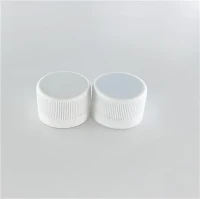
Hey there! As a supplier of Flip Top Cap Moulds, I often get asked about the environmental considerations when using these moulds. Well, let's dive right into it and explore this topic in detail.
First off, let's talk about the materials used in flip - top cap moulds. Most of the time, these moulds are made from high - quality steel. Steel is a durable material, which means the moulds have a long lifespan. A long - lasting mould is great for the environment because it reduces the need for frequent replacements. When we don't have to keep making new moulds, we conserve resources like the raw materials used to make steel and the energy required in the manufacturing process.
Now, when it comes to the production of flip - top caps using these moulds, plastic is the main material. Plastics have a bit of a bad rap when it comes to the environment, and rightly so. However, not all plastics are created equal. There are different types of plastics used in flip - top caps, such as polypropylene (PP) and polyethylene (PE).
PP is a widely used plastic for flip - top caps. It's lightweight, which is a plus from an environmental perspective. Lighter products require less energy to transport. When you're shipping thousands or even millions of flip - top caps, the energy savings from the reduced weight can add up significantly. Also, PP is relatively easy to recycle. Recycling helps to keep plastic out of landfills and reduces the demand for virgin plastic production.
On the other hand, PE is another common plastic. It's known for its flexibility and durability. Similar to PP, PE can also be recycled. Recycling PE reduces the amount of waste and the pressure on the environment.
As a Flip Top Cap Mould supplier, we're constantly looking for ways to improve the environmental performance of our products. For example, we're investing in research to optimize the design of our moulds. By creating more efficient moulds, we can reduce the amount of plastic needed to produce each cap. A well - designed mould can ensure that the plastic is distributed evenly, minimizing waste during the injection - molding process.
Let's also consider the energy consumption during the production process. Injection molding is the most common method for making flip - top caps using our moulds. This process requires a significant amount of energy, mainly for heating the plastic and operating the machinery. To address this, we're upgrading our manufacturing facilities with more energy - efficient equipment. Newer machines use advanced technologies that consume less power while still maintaining high - quality production.
Another important aspect is the end - of - life management of the flip - top caps. We encourage our customers to promote recycling among their consumers. By providing clear recycling instructions on the packaging or through marketing campaigns, we can increase the chances of the caps being recycled.
Now, let's take a look at some of the different types of flip - top cap moulds we offer. We have the Plastic Injection Shampoo Flip Top Cap Mould. These moulds are designed specifically for producing flip - top caps for shampoo bottles. The design takes into account the need for a secure closure to prevent leakage, while also being easy for consumers to open and close.
Then there's the Spice Flip Top Cap Mould. These caps are used for spice containers. They need to be air - tight to keep the spices fresh. Our moulds are engineered to create caps that fit perfectly and maintain the quality of the spices inside.
And don't forget the Cosmetic Flip Top Cap Mould. Cosmetic products require caps that not only function well but also look good. Our moulds can produce caps with a smooth finish and various designs to meet the aesthetic requirements of the cosmetic industry.
In addition to the material and energy - related environmental considerations, we're also looking at reducing our carbon footprint. This includes measures like optimizing our supply chain. By working with local suppliers for raw materials, we can cut down on transportation emissions. We're also looking into renewable energy sources for our manufacturing facilities. Using solar or wind power can significantly reduce our reliance on fossil fuels and lower our overall environmental impact.
As consumers become more environmentally conscious, the demand for sustainable products is on the rise. This is a great opportunity for our customers in the packaging industry. By using our environmentally - friendly flip - top cap moulds, they can offer their customers products that are not only functional but also have a lower environmental impact.
If you're in the market for high - quality flip - top cap moulds and are concerned about the environmental aspects, we're here to help. We can provide you with detailed information about the materials, production processes, and environmental initiatives related to our products. Whether you're in the shampoo, spice, or cosmetic industry, our moulds can meet your specific needs.
We believe that by working together, we can make a positive impact on the environment. So, if you're interested in discussing your requirements or have any questions about our flip - top cap moulds, don't hesitate to reach out. We're ready to start a conversation and help you find the best solution for your business.
References


- Smith, J. (2022). "Sustainable Plastics in Packaging". Journal of Environmental Packaging, 15(2), 45 - 56.
- Johnson, A. (2023). "Energy - Efficient Injection Molding Technologies". Manufacturing Review, 22(3), 78 - 85.
- Green, L. (2021). "Recycling of Polypropylene and Polyethylene in the Packaging Industry". Environmental Science Today, 18(1), 23 - 34.