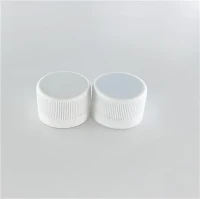
Hey there! As a supplier of virus tube cap moulds, I've seen firsthand how the injection system can have a huge impact on the quality of virus tube caps. Let's dive into this topic and explore the ins and outs of it.
First off, what exactly is an injection system? Well, in the context of making virus tube caps, it's the process where molten plastic is injected into a mould to take the shape of the cap. It's a critical step in the manufacturing process, and any issues here can lead to problems with the final product.
One of the most important aspects of the injection system is the injection pressure. If the pressure is too low, the plastic might not fill the mould completely. This can result in caps that are incomplete, with thin spots or even holes. On the other hand, if the pressure is too high, it can cause the plastic to flow too forcefully, leading to flash – that's the excess plastic that forms around the edges of the cap. Flash not only makes the cap look bad but can also affect its functionality, like making it difficult to fit properly on the virus tube.
The temperature of the plastic during injection is also key. When the plastic is too cold, it won't flow smoothly into the mould. This can create uneven surfaces on the cap, which might not provide a good seal. If the plastic is too hot, it can degrade, losing its strength and durability. A well – regulated temperature ensures that the plastic flows evenly and solidifies correctly, resulting in a high – quality cap.
The speed at which the plastic is injected matters too. A slow injection speed can lead to the plastic cooling before it fully fills the mould, causing voids or air pockets in the cap. These air pockets can weaken the cap and make it more prone to breakage. A fast injection speed, while it can help fill the mould quickly, needs to be balanced. Otherwise, it can cause turbulence in the plastic flow, leading to inconsistent wall thickness in the cap.
Now, let's talk about how these factors translate into the real – world quality of virus tube caps. A high – quality cap needs to have a proper seal. If the injection system isn't working well, and the cap has uneven surfaces or thin spots, it won't be able to create an airtight and watertight seal. This is a big problem when it comes to virus tubes, as a poor seal can allow contaminants to enter the tube, potentially compromising the integrity of the virus samples inside.


The strength of the cap is also crucial. Virus tubes are often handled a lot during the testing process, and the caps need to be able to withstand some force without breaking. If the injection system causes issues like air pockets or degraded plastic, the cap will be weaker and more likely to break. This can lead to spills and contamination, which are major concerns in a medical or laboratory setting.
Another aspect of quality is the dimensional accuracy of the cap. The cap needs to fit precisely on the virus tube. Any variations in size due to problems in the injection system can make the cap either too loose or too tight. A loose cap can fall off easily, while a tight cap might be difficult to remove, causing delays and potential damage to the tube.
As a virus tube cap mould supplier, we understand the importance of these injection system factors. That's why we work closely with our customers to ensure that the moulds we provide are optimized for the best injection process. We offer a range of moulds, including Effervescent Tablets Cap Mould and Custom Bottle Caps Mold, which are designed to work well with different injection systems.
Our Medical PP Injection Blood Collection Tube Mold is specifically engineered to produce high – quality caps for blood collection tubes, which also share many similarities with virus tube caps in terms of quality requirements.
If you're in the market for virus tube cap moulds, you need to consider how well the moulds will work with your injection system. We can help you choose the right mould and provide guidance on the best injection parameters to ensure top – notch cap quality. Whether you're a small laboratory or a large medical manufacturing facility, we've got the expertise and products to meet your needs.
In conclusion, the injection system plays a vital role in determining the quality of virus tube caps. From injection pressure to temperature and speed, every factor needs to be carefully controlled to produce caps that are strong, have a good seal, and fit precisely on the tubes. As a reliable virus tube cap mould supplier, we're here to support you in achieving the best results. If you're interested in learning more about our products or have any questions regarding the injection system and cap quality, don't hesitate to reach out. We're always happy to have a chat and discuss how we can work together to improve your production process and the quality of your virus tube caps.
References
- Plastics Injection Molding Handbook by Dominick V. Rosato, Donald V. Rosato, and Michael G. Rosato
- Injection Molding for Medical Devices by Tim Austin