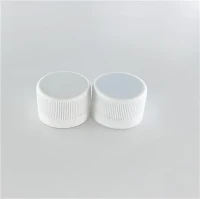
Hey there! As a supplier of Plastic Spray Cap Moulds, I've seen firsthand how crucial the draft angle of a mould is in the demoulding process. In this blog, I'll break down what draft angles are, how they impact demoulding, and why it matters for your plastic cap production.

Let's start with the basics. A draft angle is the taper added to the vertical walls of a mould cavity. It's measured in degrees and is there to make it easier to remove the finished plastic part from the mould once it's cooled and solidified. Think of it like trying to pull a straight - sided cup out of a tight - fitting container. Without a bit of taper, it's going to be a real struggle.
Now, when it comes to plastic spray cap moulds, the draft angle plays a huge role in the demoulding process. If the draft angle is too small, the plastic cap can get stuck in the mould. This is because as the plastic cools and shrinks, it hugs the walls of the mould. Without enough taper, there's not enough clearance for the cap to slide out smoothly. You might end up with parts that are damaged during demoulding, like cracked or deformed caps. And that's a big no - no in our business.
On the flip side, if the draft angle is too large, it can also cause problems. For one, it can change the dimensions of the final product. Plastic spray caps need to have precise measurements to fit properly on bottles and function as intended. A large draft angle can make the cap too wide at the top or bottom, which can affect its performance. It can also increase the size of the mould itself, which means higher production costs.
So, what's the ideal draft angle for plastic spray cap moulds? Well, it depends on a few factors. The type of plastic being used is a big one. Different plastics have different shrinkage rates. For example, polypropylene shrinks more than polyethylene. So, if you're using polypropylene to make your spray caps, you might need a slightly larger draft angle to account for the extra shrinkage.
The complexity of the cap design also matters. If your spray cap has lots of undercuts or intricate features, you'll need to carefully consider the draft angle to ensure that the part can be removed without damage. Some complex designs might require multiple draft angles in different areas of the mould.
Let's talk about the practical implications of getting the draft angle right. When the draft angle is optimal, the demoulding process is smooth and efficient. This means faster production times, which is great for meeting deadlines and keeping your customers happy. It also reduces the risk of part damage, which saves you money on wasted materials and rework.
As a Plastic Spray Cap Mould supplier, we've worked on a wide range of projects. We've seen how the right draft angle can make or break a production run. For instance, we once had a client who was experiencing high rates of part damage during demoulding. After a thorough analysis, we found that the draft angle in their mould was too small. We adjusted the draft angle, and the problem was solved. The client was able to increase their production output and improve the quality of their spray caps.
Now, if you're in the market for plastic cap moulds, we offer a variety of options. Check out our Plastic Drinking Bottle Cap Mould, which is designed with the perfect draft angle for easy demoulding and precise cap dimensions. Our Hot Runner Mosquito Liquid Cap Mould is another great choice. It's engineered to ensure smooth demoulding even for small - sized caps. And if you're looking for a mould for plastic spoon caps, our Plastic Spoon Cap Mould is the way to go.
In conclusion, the draft angle of a mould is a critical factor in the demoulding process for plastic spray caps. Getting it right can lead to better - quality products, faster production, and lower costs. If you're looking for high - quality plastic cap moulds that are designed with the optimal draft angle, we're here to help. Whether you're a small - scale producer or a large - scale manufacturer, we can provide you with the right solution for your needs. Contact us to start a conversation about your plastic cap mould requirements. We're eager to work with you and help you achieve success in your production.
References
- Injection Molding Handbook, by O. Olszewski
- Plastics Materials and Processing, by James F. Carley