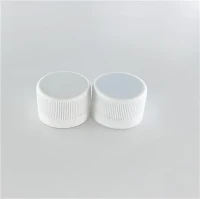
As a supplier of Juice Cap Mould, I've witnessed firsthand how the shrinkage rate of plastic plays a pivotal role in the design process. The shrinkage rate of plastic refers to the reduction in volume that occurs as the plastic cools and solidifies after being injected into the mould. This seemingly minor phenomenon can have a profound impact on the final product's quality, functionality, and overall design of the juice cap mould.
Understanding Plastic Shrinkage
Plastic shrinkage is an inherent characteristic of the material and is influenced by various factors, including the type of plastic resin, processing conditions, and the design of the mould itself. Different plastic resins have different shrinkage rates, which can range from as low as 0.2% to as high as 2%. For example, polyethylene (PE) typically has a shrinkage rate of around 1.5% - 3%, while polypropylene (PP) has a shrinkage rate of approximately 1% - 2.5%. These variations are crucial to consider when designing a juice cap mould, as even a slight difference in shrinkage can lead to significant dimensional changes in the final product.


Processing conditions also play a significant role in plastic shrinkage. Factors such as injection temperature, pressure, and cooling time can all affect the shrinkage rate. Higher injection temperatures generally result in greater shrinkage, as the plastic is more fluid and has more room to contract as it cools. Similarly, longer cooling times can lead to more complete shrinkage, as the plastic has more time to solidify and contract. Therefore, it is essential to carefully control these processing parameters to ensure consistent shrinkage rates and high-quality products.
Impact on Mould Design
The shrinkage rate of plastic has a direct impact on the design of a juice cap mould in several ways. Firstly, it affects the size and dimensions of the mould cavities. To compensate for the shrinkage of the plastic, the mould cavities must be designed slightly larger than the desired final size of the juice cap. This requires precise calculations based on the specific shrinkage rate of the plastic resin being used. For example, if a juice cap is designed to have a diameter of 30mm and the plastic resin has a shrinkage rate of 1.5%, the mould cavity diameter would need to be approximately 30.45mm to account for the shrinkage.
In addition to the size of the mould cavities, the shrinkage rate also affects the design of the mould's cooling system. A proper cooling system is essential to ensure uniform cooling and shrinkage of the plastic, which helps to prevent warping and other defects in the final product. The cooling channels in the mould must be strategically placed to ensure that the plastic cools evenly and at the appropriate rate. This may involve using multiple cooling circuits or adjusting the flow rate and temperature of the cooling water.
Another important consideration in mould design is the gating system. The gating system is responsible for delivering the molten plastic into the mould cavities. The size, shape, and location of the gates can all affect the flow of the plastic and, consequently, the shrinkage rate. Improper gating design can lead to uneven filling of the mould cavities, which can result in inconsistent shrinkage and defects in the final product. Therefore, it is crucial to design the gating system carefully to ensure smooth and uniform flow of the plastic.
Challenges and Solutions
Designing a juice cap mould to account for plastic shrinkage can be challenging, especially when dealing with complex shapes or multiple plastic resins. One of the main challenges is achieving consistent shrinkage rates across all mould cavities. Variations in shrinkage can occur due to differences in the flow of the plastic, cooling rates, or the thickness of the part. To address this challenge, it is important to use advanced mould design techniques and simulation software to optimize the mould design and ensure uniform shrinkage.
Another challenge is dealing with the potential for warping and distortion in the final product. Warping can occur when the plastic shrinks unevenly, causing the part to bend or twist. This can be particularly problematic for juice caps, as it can affect the fit and functionality of the cap. To prevent warping, it is important to design the mould with proper support structures and cooling channels to ensure uniform cooling and shrinkage. Additionally, using materials with low shrinkage rates or additives to reduce shrinkage can also help to minimize the risk of warping.
Importance of Quality Control
Quality control is essential in the production of juice cap moulds to ensure that the final products meet the required specifications. This includes monitoring the shrinkage rate of the plastic during the production process to ensure consistency and accuracy. Regular inspections and measurements should be taken to verify that the dimensions of the juice caps are within the acceptable tolerance range. Any deviations from the expected shrinkage rate or dimensions should be investigated immediately, and adjustments should be made to the mould or processing parameters as needed.
In addition to dimensional control, quality control also involves checking for other defects such as surface finish, flash, and gate marks. These defects can affect the appearance and functionality of the juice caps and should be minimized or eliminated through proper mould design and processing techniques. By implementing a comprehensive quality control program, we can ensure that our juice cap moulds produce high-quality products that meet the needs of our customers.
Conclusion
In conclusion, the shrinkage rate of plastic has a significant impact on the design of a juice cap mould. Understanding the factors that affect plastic shrinkage and how to compensate for it is crucial for producing high-quality juice caps that meet the required specifications. By carefully considering the shrinkage rate in the mould design process, using advanced design techniques and simulation software, and implementing a comprehensive quality control program, we can ensure that our juice cap moulds produce consistent, high-quality products.
If you are in the market for a Juice Cap Mould, Plastic Injection Beverage Bottle Cap Mould, or Mineral Water Beverage Bottle Cap Mould, we would be delighted to discuss your specific requirements and provide you with a customized solution. Our team of experienced engineers and designers is dedicated to providing high-quality moulds that meet the highest standards of quality and performance. Contact us today to start the conversation and explore how we can help you achieve your production goals.
References
- "Plastic Mould Design Handbook" by Peter Mallon
- "Injection Molding Handbook" by Ossenbruggen, H.
- Technical literature from plastic resin manufacturers