How to adjust the injection speed when using an oil bottle handle mould?
As a trusted Oil Bottle Handle Mould supplier, I understand the intricacies and importance of optimizing the injection molding process for oil bottle handles. One of the most critical factors in achieving high - quality products is adjusting the injection speed correctly. In this blog, I'll share insights on how to make the right adjustments to enhance the production process.
Understanding the Basics of Injection Speed
The injection speed in the injection molding of oil bottle handles refers to the rate at which the molten plastic is forced into the mold cavity. This speed can significantly affect the appearance, strength, and overall quality of the final product. A too - slow injection speed may lead to problems such as short - shots, where the mold cavity is not fully filled, resulting in incomplete oil bottle handles. On the other hand, an excessively high injection speed can cause issues like jetting, where the plastic spurts into the cavity instead of flowing smoothly, leaving visible marks on the surface of the handle and potentially weakening its structure.
Factors Affecting Injection Speed Selection
1. Plastic Material
Different plastic materials have different flow characteristics. For example, polypropylene (PP), which is commonly used for oil bottle handles, has relatively good flowability. When using PP, a moderately high injection speed can often be employed to ensure quick and uniform filling of the mold cavity. However, if a more viscous material is used, such as high - density polyethylene (HDPE) with a high melt flow index, a slower injection speed might be necessary to prevent excessive pressure and maintain a stable flow.
2. Mould Design
The design of the oil bottle handle mould plays a crucial role in determining the appropriate injection speed. A mould with a complex shape, such as a 5L Edible Oil Bottle Handle Mould that has intricate details and thin - walled sections, may require a slower injection speed to allow the plastic to flow evenly into every part of the cavity without causing turbulence. In contrast, a simpler mould design, like that of a basic Plastic Oil Bottle Handle Mould, can tolerate a faster injection speed.
3. Cooling System
The efficiency of the cooling system in the mould affects the injection speed. If the cooling system is efficient and can rapidly cool the plastic once it fills the cavity, a higher injection speed can be used. This is because the plastic solidifies quickly, reducing the risk of deformation or other defects caused by prolonged exposure to high - pressure molten plastic. However, if the cooling system is sub - par, a slower injection speed is advisable to avoid overheating and uneven cooling.
Steps to Adjust the Injection Speed
1. Initial Setting
Before starting the production run, it's essential to refer to the material datasheet and the mould design specifications. Based on these, set an initial injection speed. For most common plastic materials used in oil bottle handle production, a starting speed could range from 20 - 50 mm/s. But this is just a rough estimate, and adjustments will need to be made based on actual production results.
2. Trial Runs
Conduct trial runs with the initial injection speed setting. Observe the quality of the produced oil bottle handles. Check for signs of incomplete filling, surface defects, or excessive flashing. If short - shots are observed, it indicates that the injection speed is too slow, and the speed should be gradually increased in small increments (e.g., 5 mm/s) for subsequent runs. If jetting or excessive flashing occurs, it means the speed is too high, and it should be decreased.
3. Monitoring and Fine - Tuning
During the production process, continuously monitor the quality of the oil bottle handles. Use quality control tools such as dimensional measurement devices and visual inspection to detect any changes in the product quality. Based on these observations, make further adjustments to the injection speed. It's important to note that small adjustments are often more effective than large, sudden changes, as they allow for a more accurate assessment of the impact on the product.
Advanced Techniques for Injection Speed Adjustment
1. Multi - stage Injection Speed
Implementing a multi - stage injection speed can optimize the filling process. In the initial stage, a relatively high injection speed can be used to quickly fill the larger part of the mould cavity. As the cavity approaches fullness, the injection speed can be reduced to prevent over - packing and ensure a smooth surface finish. This technique is particularly useful for complex mould designs, such as the 20L Edible Oil Big Handle Mould, where different sections of the handle may require different filling rates.
2. Feedback Control Systems
Some advanced injection molding machines are equipped with feedback control systems. These systems use sensors to monitor the pressure, temperature, and flow rate of the molten plastic during the injection process. Based on the data collected, the system can automatically adjust the injection speed in real - time to maintain a consistent and optimal production process.
Conclusion
Adjusting the injection speed when using an oil bottle handle mould is a complex but essential task that requires a good understanding of the plastic materials, mould design, and cooling system. By following the steps outlined above and considering advanced techniques, manufacturers can achieve high - quality oil bottle handles with fewer defects and improved production efficiency.
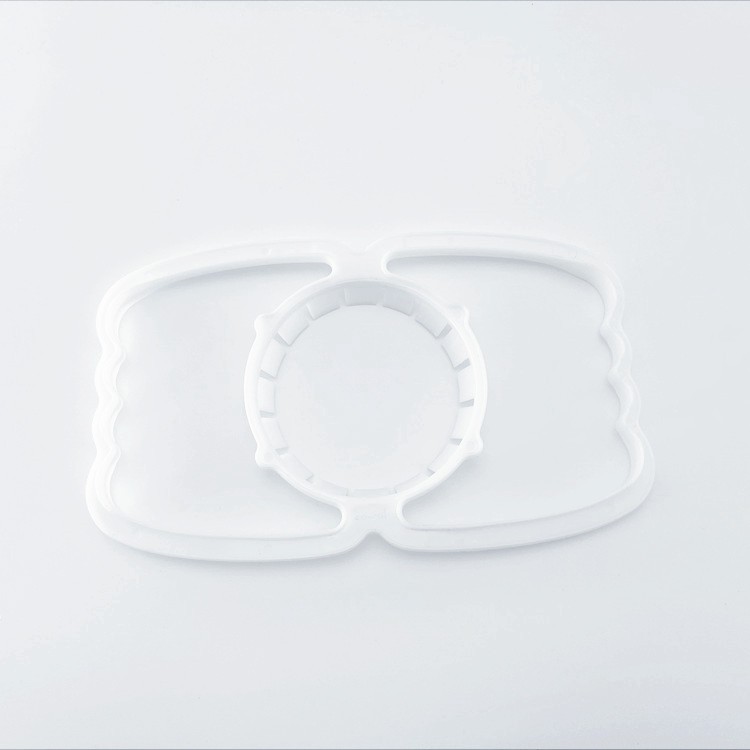

If you're in the market for high - quality oil bottle handle moulds or have any questions about the injection molding process, we're here to help. Contact us for more information and to discuss your specific requirements. Our team of experts is ready to assist you in finding the best solutions for your production needs.
References
- "Injection Molding Handbook" by O. Olajide
- "Plastic Materials and Processes: A Concise Encyclopedia" edited by Howard S. Katz