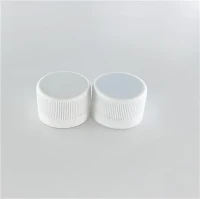
Ensuring the dimensional accuracy of oil caps produced by an 8 Cavity Oil Cap Mould is a critical aspect of the manufacturing process. As a supplier of 8 Cavity Oil Cap Moulds, I understand the significance of delivering high - precision products. In this blog, I will share some key strategies and techniques to achieve and maintain the dimensional accuracy of oil caps.
Understanding the Basics of Dimensional Accuracy
Dimensional accuracy refers to the degree to which the actual dimensions of a manufactured part match the designed dimensions. For oil caps, even a slight deviation in dimensions can lead to issues such as poor sealing, difficulty in installation, or failure to meet industry standards. When using an 8 Cavity Oil Cap Mould, the challenge is to ensure that all eight cavities produce caps with consistent dimensions.


Design Considerations for the Mould
- Precision Tooling: The first step in ensuring dimensional accuracy starts with the design and manufacturing of the mould itself. High - quality tooling materials should be used, and the machining process must be carried out with extreme precision. Advanced CNC machining techniques can help achieve tight tolerances in the mould cavity design. For example, using a CNC milling machine with a high - resolution control system can ensure that the cavity dimensions are within the required range.
- Cooling System Design: An efficient cooling system is crucial for maintaining dimensional stability during the injection moulding process. Uneven cooling can cause differential shrinkage in the plastic material, leading to dimensional variations in the oil caps. The cooling channels in the 8 Cavity Oil Cap Mould should be carefully designed to ensure uniform cooling across all cavities. Computational Fluid Dynamics (CFD) simulations can be used to optimize the cooling channel layout and flow rate.
Material Selection
- Plastic Resin Properties: The choice of plastic resin for oil caps has a significant impact on dimensional accuracy. Different resins have different shrinkage rates, which can vary depending on factors such as processing temperature, pressure, and cooling rate. It is essential to select a resin with a low and consistent shrinkage rate. For example, polypropylene (PP) is a commonly used material for oil caps due to its good chemical resistance and relatively low shrinkage.
- Material Quality Control: Ensuring the quality and consistency of the plastic resin is also important. The resin should be free from contaminants and have a uniform molecular weight distribution. Regular material testing, such as melt flow index (MFI) testing, can help monitor the resin properties and ensure that they meet the requirements for dimensional accuracy.
Injection Moulding Process Optimization
- Process Parameter Setting: The injection moulding process parameters, including temperature, pressure, injection speed, and holding time, need to be carefully optimized. For example, a higher injection temperature can reduce the viscosity of the plastic resin, allowing it to flow more easily into the mould cavities. However, excessive temperature can also cause thermal degradation of the resin, leading to dimensional instability. Similarly, the injection pressure should be set at an appropriate level to ensure complete filling of the cavities without causing over - packing, which can result in warping and dimensional variations.
- Process Monitoring and Control: Implementing a real - time process monitoring system can help detect and correct any deviations in the injection moulding process. Sensors can be installed in the mould to measure parameters such as temperature, pressure, and cavity fill time. By continuously monitoring these parameters, any process variations can be quickly identified, and corrective actions can be taken to maintain dimensional accuracy.
Post - Moulding Operations
- Annealing: Annealing is a post - moulding process that can help relieve internal stresses in the oil caps and improve dimensional stability. By heating the caps to a specific temperature and then slowly cooling them, the internal stresses are reduced, and the material structure becomes more uniform. This can result in more consistent dimensions and better overall quality of the oil caps.
- Trimming and Finishing: After the injection moulding process, the oil caps may require trimming and finishing operations to remove any excess plastic or flash. These operations should be carried out with precision to ensure that the final dimensions of the caps are within the required tolerance. Automated trimming machines can be used to achieve high - precision trimming and improve the efficiency of the post - moulding process.
Quality Control and Inspection
- In - process Inspection: Regular in - process inspection is essential to detect any dimensional variations early in the manufacturing process. This can include using measuring tools such as calipers, micrometers, and coordinate measuring machines (CMMs) to check the dimensions of the oil caps at various stages of production. Sampling inspection can be carried out at regular intervals to ensure that the production process is under control.
- Final Inspection: A comprehensive final inspection should be conducted before the oil caps are shipped to the customer. This can involve a combination of visual inspection and dimensional measurement to ensure that all caps meet the specified quality standards. Any non - conforming caps should be identified and removed from the production batch.
Continuous Improvement
- Data Analysis: Collecting and analyzing production data is an important part of continuous improvement. By analyzing data on dimensional variations, process parameters, and material properties, trends can be identified, and areas for improvement can be targeted. For example, if a particular cavity in the 8 Cavity Oil Cap Mould consistently produces caps with dimensional deviations, the data can be used to identify the root cause and take corrective actions.
- Feedback Loop: Establishing a feedback loop between the production team, quality control department, and R & D team can help drive continuous improvement. The production team can provide feedback on any issues encountered during the manufacturing process, and the R & D team can use this information to make improvements to the mould design, process parameters, or material selection.
As a supplier of 8 Cavity Oil Cap Moulds, we are committed to providing our customers with high - quality moulds that can produce oil caps with excellent dimensional accuracy. We also offer a range of related products, such as Engine Oil Bottle Cap Mould and Edible Oil Cap Mould. For more complex production requirements, we also have 16 Cavity Oil Cap Mould available.
If you are interested in our products and would like to discuss your specific requirements, please feel free to contact us for procurement and negotiation. We look forward to working with you to achieve your production goals.
References
- "Injection Moulding Handbook" by O. Olabisi
- "Plastic Materials: Properties and Applications" by Christopher Hall
- "Manufacturing Engineering and Technology" by Serope Kalpakjian and Steven Schmid