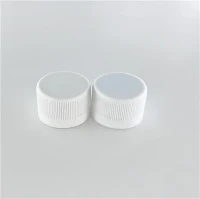
Ensuring the hardness of an oil cap mould is of paramount importance for every oil cap mould supplier. As a reliable supplier in this field, I understand the significance of a hard and durable oil cap mould. In this blog, I will share some key methods and considerations on how to achieve and maintain the required hardness of oil cap moulds.
Selecting High - Quality Materials
The first step in ensuring the hardness of an oil cap mould is to choose the right materials. High - grade tool steels are commonly used for oil cap mould manufacturing due to their excellent hardness, wear resistance, and toughness properties. For example, materials like H13 steel are popular choices. H13 steel has a good balance of hardness and thermal fatigue resistance, which is crucial as oil cap moulds often go through repeated heating and cooling cycles during the injection - molding process.
Another option is P20 steel. P20 steel is suitable for less - demanding applications and offers relatively good hardness at a lower cost. However, for high - volume production and more complex oil cap designs, H13 or other premium tool steels are usually preferred. When sourcing materials, it is essential to work with reputable suppliers who can provide material certifications to ensure the quality and consistency of the steel.
Heat Treatment Processes
Once the appropriate material is selected, heat treatment plays a vital role in enhancing the hardness of the oil cap mould. Heat treatment involves a series of processes such as annealing, quenching, and tempering.
Annealing is the initial step, which helps to relieve internal stresses in the material and refine its grain structure. This process makes the steel more homogeneous and easier to machine. After annealing, the mould is quenched, which involves rapidly cooling the heated steel in a quenching medium such as oil or water. This rapid cooling increases the hardness of the steel by transforming its structure into martensite.
However, quenching alone can make the steel too brittle. That's where tempering comes in. Tempering is a process of reheating the quenched steel to a specific temperature and then cooling it slowly. This process reduces the brittleness of the steel while maintaining a high level of hardness. The tempering temperature and time need to be carefully controlled according to the type of steel and the required hardness of the oil cap mould.
Precision Machining and Surface Treatment
Precision machining is essential to ensure that the oil cap mould meets the required specifications. Any inaccuracies in machining can lead to stress concentrations in the mould, which may affect its hardness and durability. Advanced machining technologies such as CNC (Computer Numerical Control) machining can provide high - precision results. CNC machines can accurately cut and shape the mould, ensuring smooth surfaces and precise dimensions.


Surface treatment is another crucial aspect. Processes like nitriding can be applied to the surface of the oil cap mould. Nitriding involves diffusing nitrogen into the surface of the steel, forming a hard nitride layer. This layer not only increases the hardness of the surface but also improves its wear resistance and corrosion resistance. Chrome plating is also a common surface treatment method. It provides a smooth and hard surface finish, which can reduce friction during the demoulding process and prevent the build - up of contaminants.
Quality Control and Testing
To ensure the hardness of the oil cap mould, a comprehensive quality control system should be in place. Non - destructive testing methods such as ultrasonic testing can be used to detect internal defects in the mould. Eddy - current testing can also be employed to check for surface cracks.
Destructive testing methods, such as hardness testing, are essential. Rockwell hardness testing is a widely used method for measuring the hardness of oil cap moulds. By taking multiple hardness measurements at different locations on the mould, we can ensure that the hardness is consistent throughout the mould. If the hardness does not meet the specified requirements, corrective actions can be taken, such as re - heat treatment or surface treatment adjustments.
Maintenance and Monitoring
Even after the oil cap mould is manufactured and meets the hardness requirements, proper maintenance is crucial to maintain its hardness over time. Regular cleaning of the mould can prevent the accumulation of contaminants, which can cause corrosion and reduce hardness. Lubrication of moving parts in the mould can also reduce wear and tear.
Monitoring the performance of the oil cap mould during production is also important. We can track variables such as the number of cycles, the quality of the produced oil caps, and any signs of wear on the mould. If any issues are detected, preventive maintenance can be carried out to extend the lifespan of the mould and maintain its hardness.
Our Product Offerings
As an experienced oil cap mould supplier, we offer a wide range of oil cap moulds to meet different customer needs. Our 8 Cavity Oil Cap Mould is designed for medium - volume production, providing high - quality oil caps with consistent hardness. The 8 - cavity design allows for efficient production while maintaining the precision and hardness of each oil cap.
For high - volume production, our 16 Cavity Oil Cap Mould is an excellent choice. With advanced manufacturing techniques and strict quality control, this mould can produce a large number of oil caps with excellent hardness and durability.
We also offer Edible Oil Cap Mould for the food industry. These moulds are made from food - grade materials and undergo strict quality inspections to ensure that the produced oil caps meet the highest safety and hardness standards.
Conclusion
Ensuring the hardness of an oil cap mould is a multi - faceted process that involves material selection, heat treatment, precision machining, surface treatment, quality control, and maintenance. By following these steps and using advanced manufacturing technologies, we can produce oil cap moulds with excellent hardness and durability.
If you are in the market for high - quality oil cap moulds, we are here to help. Our team of experts can provide customized solutions based on your specific requirements. Feel free to contact us to start a discussion about your oil cap mould needs and let us work together to achieve the best results.
References
- Smith, J. (2018). Tool Steel Handbook. Publisher X.
- Johnson, M. (2019). Modern Mould Manufacturing Techniques. Publisher Y.
- Brown, R. (2020). Quality Control in Mould Production. Publisher Z.