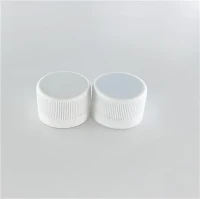
As a supplier of Oil Cap Moulds, I understand the critical importance of corrosion resistance in the manufacturing process. Corrosion can significantly reduce the lifespan of an oil cap mould, leading to increased production costs and potential quality issues. In this blog, I will share some effective strategies to improve the corrosion resistance of an oil cap mould.
Understanding the Corrosion Mechanism
Before we delve into the solutions, it's essential to understand how corrosion occurs in oil cap moulds. Corrosion is a natural process that involves the deterioration of a metal due to chemical reactions with its environment. In the case of oil cap moulds, several factors can contribute to corrosion, including:
- Chemical Exposure: The moulds are often in contact with various chemicals, such as lubricants, cleaning agents, and the molten plastic used in the injection - moulding process. These chemicals can react with the metal surface of the mould, causing corrosion.
- Humidity and Moisture: High humidity levels in the manufacturing environment can lead to the formation of water droplets on the mould surface. Water is a key component in the corrosion process, as it can act as an electrolyte, facilitating the flow of electrons between different parts of the metal.
- Temperature Fluctuations: Rapid temperature changes during the injection - moulding cycle can cause thermal stress on the mould. This stress can create microscopic cracks in the metal surface, providing pathways for corrosive agents to penetrate the mould.
Selecting the Right Material
One of the most fundamental steps in improving the corrosion resistance of an oil cap mould is to choose the appropriate material. Stainless steel is a popular choice for oil cap moulds due to its excellent corrosion resistance properties.
- Stainless Steel Grades: Different grades of stainless steel offer varying levels of corrosion resistance. For example, 304 stainless steel is a common choice for general - purpose applications. It contains chromium, which forms a passive oxide layer on the surface of the metal, protecting it from corrosion. However, for more demanding environments, 316 stainless steel may be a better option. 316 stainless steel contains molybdenum, which enhances its resistance to pitting and crevice corrosion, making it suitable for use in contact with aggressive chemicals.
- Alloy Additions: In addition to stainless steel, other alloying elements can be added to the mould material to improve its corrosion resistance. For instance, nickel can increase the toughness and corrosion resistance of the metal, while titanium can help to stabilize the passive oxide layer, making it more resistant to breakdown.
Surface Treatment
Surface treatment is another effective way to enhance the corrosion resistance of an oil cap mould. There are several surface treatment methods available, each with its own advantages.
- Plating: Electroplating is a common surface treatment method that involves depositing a thin layer of metal, such as chrome or nickel, onto the mould surface. Chrome plating provides a hard, smooth surface that is resistant to wear and corrosion. It also improves the release properties of the mould, making it easier to remove the oil caps after the injection - moulding process.
- Nitriding: Nitriding is a heat - treatment process that involves diffusing nitrogen into the surface of the metal. This creates a hard, wear - resistant, and corrosion - resistant layer on the mould surface. Nitriding can significantly improve the surface hardness of the mould, reducing the risk of scratching and abrasion, which can lead to corrosion.
- Coatings: There are various types of coatings available for oil cap moulds, such as PTFE (polytetrafluoroethylene) coatings. PTFE coatings offer excellent non - stick properties, as well as corrosion resistance. They can also reduce friction between the mould and the plastic, improving the overall quality of the oil caps.
Proper Maintenance and Cleaning
Regular maintenance and cleaning are crucial for maintaining the corrosion resistance of an oil cap mould.
- Cleaning Procedures: After each production cycle, the mould should be cleaned thoroughly to remove any residual plastic, lubricants, or other contaminants. A mild detergent and a soft brush can be used to clean the mould surface gently. Avoid using abrasive cleaners or tools, as they can damage the surface of the mould and expose it to corrosion.
- Lubrication: Proper lubrication is essential to prevent corrosion and wear on the mould. Use a high - quality lubricant that is compatible with the mould material and the plastic used in the injection - moulding process. Apply the lubricant evenly to the mould surface to ensure smooth operation and reduce friction.
- Storage Conditions: When the mould is not in use, it should be stored in a dry, clean environment. Humidity can cause corrosion, so it's important to store the mould in a place with controlled humidity levels. You can also use desiccants to absorb any moisture in the storage area.
Design Considerations
The design of the oil cap mould can also have a significant impact on its corrosion resistance.
- Avoiding Crevices and Sharp Corners: Crevices and sharp corners in the mould design can trap moisture and corrosive agents, increasing the risk of corrosion. Therefore, the mould should be designed with smooth, rounded surfaces to minimize the formation of crevices.
- Drainage and Ventilation: Proper drainage and ventilation are essential to prevent the accumulation of water and moisture in the mould. Design the mould with drainage holes and ventilation channels to allow any water or steam to escape during the injection - moulding process.
Monitoring and Inspection
Regular monitoring and inspection of the oil cap mould are necessary to detect any signs of corrosion early.
- Visual Inspection: Conduct visual inspections of the mould regularly to look for signs of corrosion, such as rust spots, discoloration, or pitting. If any signs of corrosion are detected, take immediate action to address the issue.
- Non - Destructive Testing: Non - destructive testing methods, such as ultrasonic testing or magnetic particle testing, can be used to detect internal defects or corrosion in the mould. These methods can help to identify potential problems before they become severe.
Conclusion
Improving the corrosion resistance of an oil cap mould is a multi - faceted process that involves selecting the right material, applying appropriate surface treatments, implementing proper maintenance and cleaning procedures, considering design factors, and conducting regular monitoring and inspection. By following these strategies, you can extend the lifespan of your oil cap moulds, reduce production costs, and ensure the high quality of your oil caps.


If you are interested in our 20L Oil Cap Mould, Oil Bottle Lid Mould, or 32 Cavity Hot Runner Oil Cap Mould, or have any questions about improving the corrosion resistance of oil cap moulds, please feel free to contact us for further discussion and potential procurement.
References
- ASM Handbook Volume 13A: Corrosion: Fundamentals, Testing, and Protection. ASM International.
- Metals Handbook Desk Edition, 3rd Edition. ASM International.
- Injection Molding Handbook, 4th Edition. Hanser Publishers.