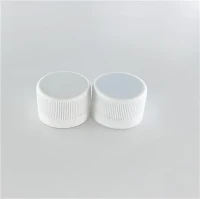
In the dynamic realm of manufacturing, the demand for efficient and high - quality oil bottle cap moulds is ever - increasing. As a dedicated Oil Bottle Cap Mould supplier, I understand the significance of long - term productivity improvement. This blog will delve into several key strategies that can be employed to enhance the productivity of oil bottle cap moulds during long - term production processes.
I. Advanced Design and Engineering
The foundation of high productivity in oil bottle cap mould manufacturing lies in advanced design and engineering. A well - designed mould not only ensures the production of high - quality caps but also streamlines the manufacturing process.
- Optimized Cavity Layout: When designing an oil bottle cap mould, the number and layout of cavities play a crucial role. For instance, a higher number of cavities can increase the production volume per cycle. We offer 16 Cavity Oil Cap Mould, which is engineered to produce 16 caps in a single injection cycle. This significantly boosts the productivity as more caps can be manufactured within a shorter time frame. Additionally, the layout of these cavities should be designed to ensure uniform filling of the molten plastic, reducing the chances of defects and rework.
- Efficient Cooling System: An efficient cooling system is essential for rapid cycle times. In long - term production, swift cooling of the mould helps in solidifying the plastic caps quickly, allowing for faster ejection and subsequent injection. The design of the cooling channels should be carefully planned to ensure uniform cooling across all cavities. This can be achieved through the use of advanced simulation software during the design phase, which can predict the cooling behavior and optimize the channel layout accordingly.
II. High - Quality Materials and Manufacturing Processes
The choice of materials and manufacturing processes directly impacts the productivity and lifespan of oil bottle cap moulds.
- Superior Materials Selection: Using high - quality steel alloys with excellent hardness, toughness, and corrosion resistance is crucial. These materials can withstand the high pressures and temperatures involved in the injection - molding process over an extended period. High - grade materials reduce the frequency of wear and tear, minimizing downtime for maintenance and replacement. Moreover, they ensure the dimensional accuracy of the caps, preventing scrap and rework, which in turn enhances productivity.
- Precision Manufacturing Techniques: Employing advanced manufacturing techniques such as CNC machining and EDM (Electrical Discharge Machining) ensures the precise production of oil bottle cap moulds. CNC machining allows for high - speed and accurate cutting of the mould components, while EDM is ideal for creating complex shapes and fine details. The combination of these techniques helps in achieving tight tolerances, resulting in consistent cap quality and efficient production.
III. Regular Maintenance and Monitoring
To maintain high productivity during long - term production, regular maintenance and monitoring of the oil bottle cap moulds are indispensable.
- Scheduled Maintenance Programs: Establishing a comprehensive scheduled maintenance program is vital. This includes regular cleaning, lubrication, and inspection of the mould components. Cleaning helps in removing any residual plastic or contaminants that may affect the mould's performance. Lubrication reduces friction between moving parts, preventing premature wear. Inspection allows for the early detection of any potential issues such as cracks, wear on the cores and cavities, or blockages in the cooling channels. By addressing these problems promptly, the mould can continue to operate at peak efficiency.
- Real - Time Monitoring: The use of sensors and monitoring systems can provide real - time data on the performance of the oil bottle cap moulds. Sensors can measure parameters such as temperature, pressure, and cycle time. Any deviations from the normal operating conditions can be detected immediately, allowing for timely adjustments. This proactive approach helps in minimizing production disruptions and ensuring consistent product quality.
IV. Staff Training and Skill Development
The productivity of oil bottle cap moulds is also influenced by the skills and knowledge of the staff operating the manufacturing equipment.
- Technical Training: Providing comprehensive technical training to the operators is essential. They should be well - versed in the operation, maintenance, and troubleshooting of the injection - molding machines and the oil bottle cap moulds. Training programs can cover topics such as machine setup, mould installation and removal, process parameter adjustment, and quality control. Well - trained operators are more likely to use the equipment efficiently, reducing the occurrence of errors and downtime.
- Continuous Learning and Skill Upgrading: The manufacturing industry is constantly evolving, with new technologies and techniques emerging regularly. Encouraging staff to engage in continuous learning and skill upgrading can keep them updated with the latest trends. This can be achieved through workshops, seminars, and online courses. By enhancing their skills, the operators can contribute to the improvement of the overall productivity of the oil bottle cap mould production process.
V. Process Optimization and Innovation
In the long - term production of oil bottle cap moulds, continuous process optimization and innovation are key to maintaining high productivity.
- Lean Manufacturing Principles: Implementing lean manufacturing principles can eliminate waste and streamline the production process. This includes reducing unnecessary movements, minimizing inventory, and improving the flow of materials and information. By identifying and eliminating non - value - added activities, the overall efficiency of the production line can be significantly enhanced.
- Innovation in Molding Technology: Keeping an eye on the latest developments in molding technology can lead to innovative solutions for improving productivity. For example, the adoption of hot - runner systems can reduce the cycle time by eliminating the need for cooling the runner system. Additionally, the use of new materials and additives in the plastic formulation can improve the flow properties of the molten plastic, allowing for faster filling of the mould cavities.
VI. Supply Chain Management
Efficient supply chain management is crucial for ensuring the continuous and productive operation of oil bottle cap mould manufacturing.
- Reliable Material Suppliers: Establishing long - term partnerships with reliable material suppliers is essential. This ensures a steady supply of high - quality raw materials, such as plastic resins and steel alloys. A reliable supply chain reduces the risk of production delays due to material shortages.
- Inventory Management: Maintaining an optimal inventory level of spare parts and raw materials is important. Overstocking can tie up capital, while understocking can lead to production stoppages. By implementing an effective inventory management system, the right amount of materials and parts can be available at the right time, supporting continuous production.
Conclusion
Improving the productivity of oil bottle cap moulds in long - term production is a multi - faceted challenge that requires a holistic approach. By focusing on advanced design and engineering, high - quality materials and manufacturing processes, regular maintenance and monitoring, staff training and skill development, process optimization and innovation, and efficient supply chain management, significant improvements can be achieved.
As a leading Oil Bottle Cap Mould supplier, we are committed to providing high - quality moulds and comprehensive solutions to our customers. Whether you are in need of an Engine Oil Bottle Cap Mould or a Bottle Lids Mold, we have the expertise and resources to meet your requirements. If you are interested in discussing your specific needs or exploring potential partnerships, please feel free to reach out to us. We look forward to working with you to enhance your oil bottle cap manufacturing productivity.


References
- Smith, J. (2018). Injection Molding Technology Handbook. Elsevier.
- Jones, A. (2020). Lean Manufacturing in the Plastics Industry. CRC Press.
- Brown, C. (2019). Advanced Materials for Mould Making. Springer.