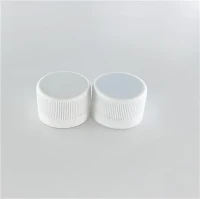
Hey there! As a supplier of sampling tube cap molds, I've been getting a lot of questions lately about how to improve the quality of the thread on sampling tube caps produced by these molds. It's a crucial issue because the thread quality directly affects the functionality and safety of the sampling tubes. So, I thought I'd share some insights and tips on this topic.
Understanding the Importance of Thread Quality
First off, let's talk about why thread quality matters so much. The thread on a sampling tube cap is what ensures a secure seal between the cap and the tube. A poor - quality thread can lead to leaks, which is a big no - no, especially when dealing with medical or biological samples. It can also cause difficulties in opening and closing the tubes, which can be a hassle for users. Moreover, in industries where strict hygiene and safety standards are required, a well - made thread is essential to prevent contamination.


Factors Affecting Thread Quality
There are several factors that can affect the quality of the thread on sampling tube caps produced by a mold.
Mold Design
The design of the mold is the starting point. A well - designed mold will have precise thread dimensions and smooth surfaces. The pitch, depth, and profile of the thread need to be accurately defined in the mold design. If the design is off, the threads on the caps will be too loose or too tight, or they may have uneven surfaces. For example, if the thread pitch is not consistent, it can cause the cap to not screw on properly.
Material Selection
The material used to make the caps also plays a significant role. Different plastics have different properties, such as flowability, shrinkage rate, and hardness. For sampling tube caps, polypropylene (PP) is a popular choice because it's lightweight, chemical - resistant, and has good moldability. However, the grade of PP can vary, and using a low - quality or inappropriate grade can result in poor thread quality. The material should be able to flow smoothly into the mold cavities to form the threads accurately and should have a stable shrinkage rate to maintain the thread dimensions after cooling.
Injection Molding Process
The injection molding process itself is crucial. Parameters like injection temperature, pressure, and speed need to be carefully controlled. If the injection temperature is too low, the plastic may not flow properly into the thread cavities, resulting in incomplete or rough threads. On the other hand, if the temperature is too high, the plastic may degrade, which can also affect the thread quality. The injection pressure should be sufficient to fill the mold cavities completely, but not so high that it causes flash or other defects.
Tips to Improve Thread Quality
Optimize Mold Design
Work with experienced mold designers. They can use advanced CAD/CAM technology to create a mold with precise thread geometries. Make sure the mold has proper cooling channels around the thread areas. Good cooling helps to solidify the plastic quickly and evenly, which is essential for maintaining the thread shape. Also, consider using inserts for the thread parts of the mold. Inserts can be easily replaced if they wear out, ensuring consistent thread quality over time.
Select the Right Material
As mentioned earlier, polypropylene is a great choice for sampling tube caps. Look for high - quality PP grades that are specifically designed for injection molding. You can also consult with material suppliers to get recommendations based on your specific requirements. They can provide information on the material's properties, such as melt flow index and shrinkage rate, which are important for achieving good thread quality.
Fine - Tune the Injection Molding Process
Regularly monitor and adjust the injection molding parameters. Conduct test runs with different settings to find the optimal combination of temperature, pressure, and speed. Use sensors and monitoring systems to keep track of the process variables in real - time. For example, you can use pressure sensors in the mold to ensure that the injection pressure is consistent across all cavities. Also, make sure the injection molding machine is well - maintained to avoid any mechanical issues that could affect the thread quality.
Real - World Examples and Our Product Offerings
We've been in the business of supplying sampling tube cap molds for a while, and we've seen firsthand how these tips can make a difference. For instance, we had a client who was experiencing issues with loose threads on their sampling tube caps. By optimizing the mold design and adjusting the injection molding parameters, we were able to improve the thread quality significantly.
We offer a range of high - quality molds, including the Medical PP Injection Blood Collection Tube Mold. This mold is designed specifically for producing blood collection tube caps with excellent thread quality. We also have Custom Bottle Caps Mold options, where we can customize the mold according to your specific requirements, including the thread design. And for those who need caps for effervescent tablets, our Effervescent Tablets Cap Mould is a great choice.
Conclusion
Improving the quality of the thread on sampling tube caps produced by a mold requires a comprehensive approach that includes proper mold design, material selection, and control of the injection molding process. By paying attention to these factors, you can ensure that the caps have high - quality threads that provide a secure and reliable seal.
If you're in the market for a sampling tube cap mold or if you're facing issues with the thread quality of your current caps, don't hesitate to reach out. We're here to help you optimize your production process and get the best - quality caps. Whether you need a standard mold or a custom - designed one, we have the expertise and experience to meet your needs. Let's start a conversation about how we can work together to improve your sampling tube cap production.
References
- "Injection Molding Handbook" by O. John Hanna
- "Plastics Materials" by J. A. Brydson