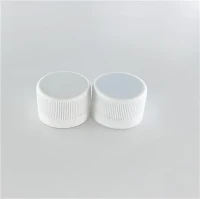
Hey there! As a supplier of Plastic Spray Cap Mould, I've seen firsthand how important it is to maintain these molds properly. A well - maintained mold not only ensures high - quality products but also extends the lifespan of the mold, saving you both time and money. So, let's dive into how you can keep your plastic spray cap mold in top - notch condition.
Regular Cleaning
The first step in mold maintenance is regular cleaning. After each production run, it's crucial to clean the mold thoroughly. Residue from the plastic material can build up over time, which can affect the quality of the spray caps and even cause damage to the mold.
Use a soft brush and a mild cleaning solution to gently scrub the mold. Avoid using abrasive materials that could scratch the surface of the mold. Pay special attention to the cavities and channels where plastic can accumulate. Make sure to remove all traces of plastic, lubricants, and any other contaminants.
If there are stubborn residues, you can use a specialized mold cleaner. These cleaners are designed to break down plastic and other substances without harming the mold. Follow the manufacturer's instructions when using these cleaners to ensure safe and effective cleaning.
Lubrication
Proper lubrication is essential for the smooth operation of the plastic spray cap mold. Lubricants reduce friction between moving parts, prevent wear and tear, and help to maintain the accuracy of the mold.
Choose a high - quality lubricant that is suitable for plastic molds. Apply the lubricant to all moving parts, such as slides, ejector pins, and guide pillars. Be careful not to over - lubricate, as excess lubricant can attract dust and debris, which can cause problems.
Regularly check the lubrication levels and re - apply the lubricant as needed. The frequency of lubrication depends on the usage of the mold. For molds that are used frequently, lubrication may be required after every few production runs.
Inspection
Regular inspections are a must for mold maintenance. Inspect the mold before and after each production run to identify any potential issues. Look for signs of wear, such as scratches, dents, or cracks on the surface of the mold. Check the alignment of the mold components to ensure that they are working properly.
Inspect the ejector pins to make sure they are moving freely. If the ejector pins are sticking, it can cause problems with the ejection of the spray caps. Also, check the cooling channels to ensure that they are not blocked. Blocked cooling channels can lead to uneven cooling of the plastic, which can affect the quality of the spray caps.
If you notice any issues during the inspection, address them immediately. Minor problems can often be fixed easily, but if they are left untreated, they can lead to more serious problems and costly repairs.
Storage
Proper storage of the plastic spray cap mold is also important. When the mold is not in use, it should be stored in a clean, dry, and temperature - controlled environment. Moisture can cause rust and corrosion on the mold, which can damage it over time.
Cover the mold with a protective cover to prevent dust and debris from accumulating on it. If possible, store the mold in a vertical position to prevent warping. Make sure to label the mold clearly so that it can be easily identified when needed.
Temperature Control
During the production process, it's crucial to control the temperature of the mold. The temperature of the mold affects the quality of the plastic spray caps. If the mold is too hot, the plastic may not cool properly, leading to defects such as shrinkage or warping. If the mold is too cold, the plastic may not flow evenly, resulting in incomplete filling of the mold cavities.
Use a temperature control system to maintain the optimal temperature of the mold. Monitor the temperature regularly and make adjustments as needed. Different types of plastics require different temperature settings, so make sure to follow the recommended temperature guidelines for the specific plastic you are using.
Preventive Maintenance Schedule
Creating a preventive maintenance schedule is a great way to ensure that all maintenance tasks are carried out regularly. This schedule should include cleaning, lubrication, inspection, and any other maintenance tasks.
Set specific intervals for each maintenance task based on the usage of the mold. For example, you can schedule a thorough cleaning and inspection every month for a mold that is used frequently. Keep a record of all maintenance activities, including the date, the tasks performed, and any issues that were identified and resolved.
Handling and Transportation
When handling and transporting the plastic spray cap mold, take extra care to avoid damage. Use proper lifting equipment to move the mold, and make sure that it is securely fastened during transportation.
Avoid dropping or hitting the mold, as this can cause cracks or other damage. If the mold needs to be disassembled for transportation, make sure to label all the parts clearly so that they can be reassembled correctly.
Staff Training
Proper training of the staff who operate and maintain the plastic spray cap mold is essential. Make sure that the operators are familiar with the correct operation procedures of the mold, including temperature control, injection pressure, and ejection methods.
Train the maintenance staff on how to clean, lubricate, and inspect the mold properly. Provide them with the necessary tools and equipment for maintenance tasks, and make sure that they understand the importance of following the maintenance schedule.

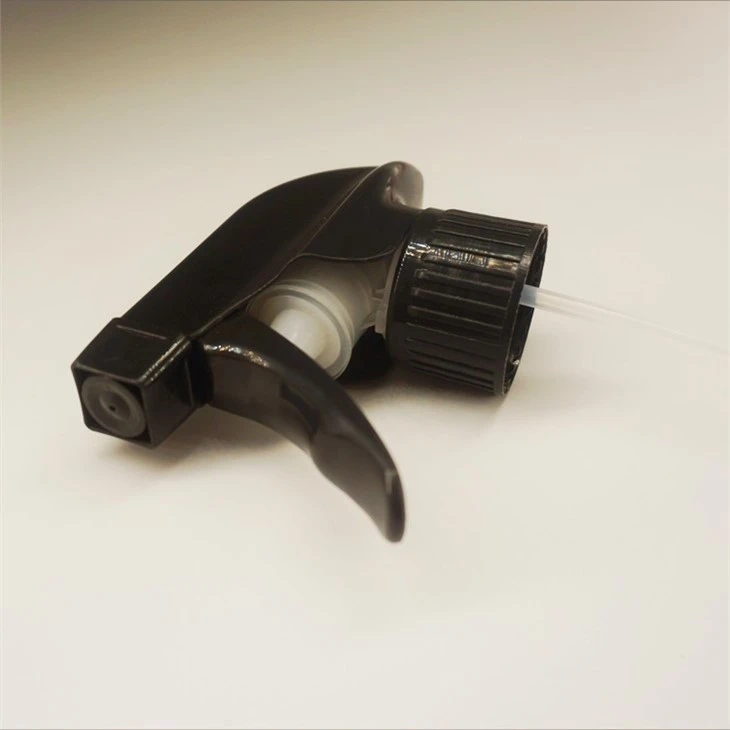
Addressing Wear and Tear
Over time, even with proper maintenance, the plastic spray cap mold will experience some wear and tear. When this happens, it's important to address these issues promptly.
For minor wear, such as small scratches, you can use a mold repair kit to fix the problem. These kits usually include materials for filling and smoothing the damaged areas. For more serious wear, such as large cracks or significant deformation, it may be necessary to send the mold to a professional mold repair service.
Related Molds
If you're interested in other types of plastic molds, we also offer Plastic Injection Candy Cap Mould and Plastic Contact Lens Case Mould. These molds are also manufactured with high - quality materials and advanced technology to ensure excellent performance.
Conclusion
Maintaining a plastic spray cap mold is not a one - time task but an ongoing process. By following these maintenance tips, you can ensure that your mold operates efficiently, produces high - quality spray caps, and has a long lifespan.
If you're in the market for a new plastic spray cap mold or need advice on mold maintenance, feel free to reach out to us. We're here to help you with all your mold - related needs. Let's work together to achieve the best results for your business.
References
- "Mold Maintenance Best Practices" - Industry Publication
- "Guide to Plastic Mold Lubrication" - Lubricant Manufacturer's Manual
- "Inspection Techniques for Plastic Molds" - Mold Manufacturer's Handbook