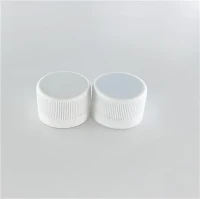
Hey there! If you're in the business of manufacturing flip top caps, then choosing the right injection molding machine for your flip top cap mould is crucial. As a flip top cap mould supplier, I've seen firsthand how the right machine can make all the difference in terms of efficiency, quality, and overall profitability. So, let's dive into how you can select the appropriate injection molding machine for your specific needs.
Understanding Your Mould Requirements
First things first, you need to have a clear understanding of your flip top cap mould. The size, complexity, and number of cavities in the mould are all factors that will influence your choice of injection molding machine.
Let's talk about the size of the mould. The clamping force of the injection molding machine must be sufficient to hold the mould closed during the injection process. If the clamping force is too low, the mould may not close properly, leading to flash (excess plastic) on the caps. On the other hand, if the clamping force is too high, it can damage the mould. As a general rule, larger moulds require machines with higher clamping forces.
The complexity of the flip top cap design also plays a significant role. Some caps may have intricate features like hinges or locks, which require more precise control during the injection process. For these complex designs, you'll need a machine with advanced control systems that can handle the nuances of the mould.
The number of cavities in the mould is another crucial factor. A multi - cavity mould can produce multiple caps in a single cycle, increasing productivity. However, it also places more demands on the injection molding machine. For example, a 12 Cavity Flip Top Cap Mould will need a machine with a higher injection volume and faster cycle times to keep up with production.


Injection Unit Considerations
The injection unit is responsible for melting and injecting the plastic into the mould. There are a few key aspects to consider when looking at the injection unit of an injection molding machine.
Injection Volume: You need to ensure that the injection volume of the machine is sufficient to fill your flip top cap mould. The injection volume is usually measured in cubic centimeters (cc). If the injection volume is too small, the caps may not be fully formed. On the other hand, if it's too large, you'll be wasting plastic and increasing production costs.
Injection Pressure: The injection pressure is what forces the molten plastic into the mould. The required injection pressure depends on the size and complexity of the cap, as well as the type of plastic being used. For example, some plastics with high viscosity may require higher injection pressures to flow properly into the mould cavities.
Screw Design: The screw in the injection unit plays a vital role in melting and mixing the plastic. Different screw designs are suitable for different types of plastics. For instance, a screw with a larger compression ratio may be better for plastics that require more intense melting, while a screw with a smaller compression ratio may be sufficient for more easily melted plastics.
Clamping Unit Features
The clamping unit is what holds the mould together during the injection process. When selecting an injection molding machine, pay attention to the following aspects of the clamping unit.
Clamping Force: As mentioned earlier, the clamping force must be appropriate for the size of your mould. Most injection molding machine manufacturers provide guidelines on the recommended clamping force based on the projected area of the mould. Make sure to follow these guidelines to ensure proper operation and avoid damage to the mould.
Clamping Stroke: The clamping stroke is the distance the clamping unit can open and close. It needs to be long enough to allow for easy removal of the finished caps from the mould. If the clamping stroke is too short, it may be difficult to access and remove the caps, which can slow down production.
Ejection System: The ejection system is responsible for pushing the finished caps out of the mould. A reliable ejection system is essential to ensure smooth production. Some machines have hydraulic ejection systems, while others use mechanical or pneumatic systems. Consider the design of your flip top cap and choose an ejection system that can effectively remove the caps without causing any damage.
Types of Injection Molding Machines
There are several types of injection molding machines available in the market, each with its own advantages and disadvantages.
Hydraulic Injection Molding Machines: These are the traditional type of injection molding machines. They offer high clamping forces and are well - suited for large - scale production. However, they tend to be less energy - efficient compared to other types and may have slower cycle times.
Electric Injection Molding Machines: Electric machines are known for their high precision, energy efficiency, and fast cycle times. They are great for producing high - quality flip top caps, especially those with complex designs. However, they are generally more expensive to purchase initially.
Hybrid Injection Molding Machines: These machines combine the best features of hydraulic and electric machines. They offer high clamping forces like hydraulic machines and the energy efficiency and precision of electric machines. Hybrid machines can be a good compromise if you're looking for a balance between performance and cost.
Material Compatibility
The type of plastic you use to make your flip top caps also affects your choice of injection molding machine. Different plastics have different melting points, viscosities, and processing requirements.
For example, polypropylene (PP) is a commonly used plastic for flip top caps due to its low cost, good chemical resistance, and flexibility. It has a relatively low melting point and can be processed at lower temperatures compared to some other plastics. On the other hand, polyethylene terephthalate (PET) has a higher melting point and requires a machine that can handle higher temperature and pressure requirements.
If you plan to use different types of plastics in your production, make sure the injection molding machine you choose is compatible with a wide range of materials. This will give you more flexibility in your manufacturing process.
Production Volume and Cycle Time
Your production volume requirements are a major factor in selecting the right injection molding machine. If you have a high - volume production demand, you'll need a machine with short cycle times to keep up with the production rate.
The cycle time of an injection molding machine includes the time for injection, cooling, and ejection. Machines with advanced control systems and efficient cooling mechanisms can achieve shorter cycle times. For example, an electric injection molding machine may have a faster cycle time compared to a hydraulic machine, which can be a significant advantage for high - volume production.
On the other hand, if you have a low - volume production need, you may not need a high - speed machine. In this case, you can focus more on the upfront cost and simplicity of the machine.
Additional Considerations
Maintenance and Service: Look for a machine that is easy to maintain. Regular maintenance is essential to keep the machine running smoothly and prevent breakdowns. Check if the manufacturer offers good after - sales service and support, including availability of spare parts.
Safety Features: Safety should always be a top priority. Ensure that the injection molding machine has adequate safety features such as safety guards, emergency stop buttons, and pressure sensors to prevent accidents.
Cost: Of course, cost is an important consideration. Balance the upfront cost of the machine with its long - term operating costs, including energy consumption, maintenance, and repair costs.
Conclusion
Selecting the appropriate injection molding machine for your flip top cap mould is a complex decision that requires careful consideration of multiple factors. By understanding your mould requirements, the features of the injection and clamping units, the different types of machines available, material compatibility, production volume, and additional aspects like maintenance and safety, you can make an informed choice.
If you're a manufacturer in the market for a flip top cap mould and need help choosing the right injection molding machine, or if you're interested in our Wet Wipes Lid Mold or Cosmetic Flip Top Cap Mould, don't hesitate to reach out. We're here to assist you in finding the best solutions for your production needs. Whether you have questions about our moulds or need advice on injection molding machines, just let us know. Let's start a conversation and take your flip top cap production to the next level!
References
- "Injection Molding Handbook" - By O. John Hanna, Jr.
- "Plastic Injection Molding Technology" - By Rosato, Rosato, and Mongan.