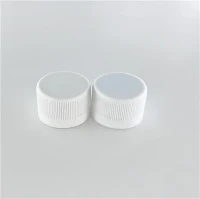
Hey there! As a supplier of PCO 1881 and PCO 1810, I've been getting a lot of questions lately about whether PCO 1881 is suitable for scientific research. So, I thought I'd take a deep - dive into this topic and share my thoughts.
First off, let's talk a bit about what PCO 1881 is. PCO 1881 is a type of component that has a wide range of applications. It's known for its certain physical and chemical properties, which make it stand out in different industries.
When it comes to scientific research, one of the key factors we need to consider is the stability of the material. PCO 1881 has shown relatively good stability under various environmental conditions. In a research setting, stability is super important. For example, if you're conducting long - term experiments, you don't want your sample material to degrade or change its properties over time. This stability allows researchers to get consistent results, which is the cornerstone of any scientific study.
Another aspect is the precision of PCO 1881. In scientific research, especially in fields like chemistry and physics, precision is everything. PCO 1881 can be manufactured to very high precision standards. This means that researchers can rely on it to provide accurate data. Whether it's measuring small quantities of substances or conducting highly sensitive experiments, the precision of PCO 1881 can make a big difference.
Let's also think about the compatibility of PCO 1881 with other materials. In a research lab, you often need to combine different substances or components to achieve your research goals. PCO 1881 has good compatibility with many common materials used in the lab. This makes it easier for researchers to integrate it into their existing experimental setups. For instance, it can be used in combination with other polymers or chemicals without causing any adverse reactions.
However, it's not all sunshine and rainbows. There are also some limitations to using PCO 1881 in scientific research. One of the main drawbacks is its cost. High - quality PCO 1881 can be quite expensive. For research projects with tight budgets, this can be a significant hurdle. Researchers might have to look for alternative materials that can provide similar functionality at a lower cost.
Another potential issue is the availability of PCO 1881. Sometimes, due to production constraints or supply - chain issues, it might be difficult to get a consistent supply of PCO 1881. This can disrupt long - term research projects and cause delays.
Now, let's compare PCO 1881 with PCO 1810, which I also supply. PCO 1810 has its own set of characteristics. It's generally more flexible than PCO 1881. In some research applications where flexibility is required, like in the development of certain types of sensors, PCO 1810 might be a better choice. On the other hand, PCO 1881 is more rigid and has better mechanical strength, which makes it suitable for applications where structural integrity is crucial.
In terms of chemical resistance, both PCO 1881 and PCO 1810 have their strengths. PCO 1881 is more resistant to certain harsh chemicals, which can be an advantage in research involving corrosive substances. PCO 1810, however, might be more resistant to other types of chemicals, depending on the specific composition.
When it comes to the research process, the handling of PCO 1881 is also an important consideration. It requires proper storage and handling to maintain its properties. For example, it should be stored in a dry and cool place to prevent any moisture - related degradation. Researchers need to be aware of these requirements and follow the proper protocols.
In some scientific fields, such as materials science, PCO 1881 has a lot of potential. It can be used to develop new types of composite materials. By combining PCO 1881 with other materials, researchers can create materials with unique properties, such as enhanced strength or improved conductivity.


In the field of biology, PCO 1881 can also have applications. For example, it can be used in the development of certain types of medical devices. Its biocompatibility can be further explored to see if it can be used in contact with living tissues.
Now, I'd like to briefly mention some related products that might be of interest. If you're involved in the manufacturing of bottle caps, you might want to check out 28mm Bottle Caps Mold, 28mm Water Bottle Cap Mold, and Water Bottle Cap Mold. These molds can be used to produce high - quality bottle caps with different specifications.
To sum it up, PCO 1881 has both advantages and disadvantages when it comes to scientific research. Its stability, precision, and compatibility make it a good candidate for many research applications. However, the cost and availability issues need to be carefully considered. If you're a researcher looking for a reliable material for your project, PCO 1881 is definitely worth exploring.
If you're interested in purchasing PCO 1881 or PCO 1810 for your scientific research, feel free to reach out. We're here to provide you with high - quality products and support your research endeavors.
References
- General knowledge about PCO 1881 and PCO 1810 from industry sources
- Research papers on materials science and related fields