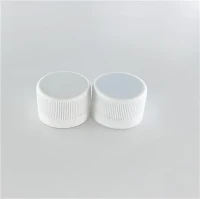
Yo, what's up everyone! I'm a supplier of juice cap moulds, and today I wanna chat about the factors that influence the quality of a juice cap mould. As someone who's been in this business for a while, I've seen firsthand how different elements can make or break a mould. So, let's dive right in!
Material Selection
The first and probably the most crucial factor is the material used to make the mould. You can't just pick any old metal and expect it to work well. High - quality steel is a go - to choice for juice cap moulds. It's got great hardness, which means it can withstand the high pressure and temperature during the injection molding process without deforming.
For example, some of the advanced steels we use have a high chromium content. Chromium helps in making the steel corrosion - resistant. Since juice cap moulds are often in contact with various substances during production, corrosion resistance is super important. If the mould starts to corrode, it can lead to surface defects on the caps, like rough edges or uneven textures.
Another aspect of material selection is the heat - treating process. After the steel is shaped into a mould, it goes through heat treatment to enhance its mechanical properties. This step is like giving the mould a super - power. It makes the steel stronger and more wear - resistant. A well - heat - treated mould can produce thousands, if not millions, of caps before it starts to show signs of wear.
Design Precision
The design of the juice cap mould is like the blueprint of a building. If the design is off, the whole thing falls apart. First of all, the dimensions of the mould need to be extremely precise. The cap has to fit perfectly on the juice bottle, right? So, the inner diameter, outer diameter, and height of the cap mould have to be spot - on.
We also need to consider the shape of the cap. Some juice caps have special features, like a flip - top or a spout. These features need to be designed in a way that they're easy to manufacture and function properly. For instance, if the hinge of a flip - top cap is not designed correctly, it might break easily or not close tightly.


The gating system in the mould design is another key element. The gate is where the molten plastic enters the mould cavity. If the gate is too small, the plastic might not flow evenly, causing air bubbles or incomplete filling of the cap. On the other hand, if the gate is too large, it can leave a big mark on the cap, which is not aesthetically pleasing.
Manufacturing Process
How the mould is actually made plays a huge role in its quality. CNC machining is a common method used in our industry. It allows for high - precision cutting and shaping of the mould. With CNC machines, we can create complex shapes and details with great accuracy.
The surface finish of the mould is also important. A smooth surface finish not only makes the caps look better but also helps in the demolding process. If the surface of the mould is rough, the caps might stick to it, and it can be difficult to remove them without causing damage.
We also pay close attention to the assembly of the mould. All the parts need to fit together perfectly. Even a small misalignment can lead to problems during production. For example, if the core and cavity of the mould are not aligned correctly, the caps might have uneven walls.
Quality Control
Quality control is like the safety net in our business. We have a series of checks and tests throughout the production process of the juice cap mould. First, we inspect the raw materials. We make sure the steel we're using meets all the required standards.
During the machining process, we use measurement tools like calipers and micrometers to check the dimensions of the mould parts. This helps us catch any errors early on. After the mould is assembled, we do a trial run. We inject plastic into the mould and see how the caps come out.
We check for things like the cap's weight, dimensions, and appearance. If there are any defects, we analyze the problem and make the necessary adjustments to the mould. This continuous quality control process ensures that we only deliver high - quality moulds to our customers.
Maintenance and Care
Once the juice cap mould is in use, proper maintenance and care are essential to keep it in good condition. Regular cleaning is a must. After each production run, the mould should be cleaned to remove any plastic residue or debris. This helps prevent corrosion and keeps the surface smooth.
Lubrication is also important. We use special lubricants on the moving parts of the mould, like the ejector pins. This reduces friction and wear, making the mould last longer.
If there are any signs of wear or damage, we need to repair the mould as soon as possible. Ignoring small problems can lead to bigger issues down the road, which can be costly to fix.
Industry Trends and Customer Requirements
The juice cap mould industry is constantly evolving. New trends in packaging design and customer preferences can also influence the quality of the mould. For example, there's a growing demand for eco - friendly caps. This means we need to design moulds that can produce caps made from biodegradable plastics.
Customers also have different requirements for the cap's functionality. Some might want a cap that's easy to open for children, while others might need a cap that provides a high - level of tamper - evidence. As a supplier, we need to stay on top of these trends and adapt our mould designs and manufacturing processes accordingly.
Conclusion
So, there you have it! These are the main factors that influence the quality of a juice cap mould. From material selection to maintenance, every step in the process is crucial. At our company, we're committed to producing the best - quality juice cap moulds.
If you're in the market for a high - quality juice cap mould, whether it's a Plastic Injection Beverage Bottle Cap Mould, a Sport Cap Mould, or a Mineral Water Beverage Bottle Cap Mould, we've got you covered. We'd love to have a chat with you about your specific needs and how we can help you get the perfect mould for your business. Don't hesitate to reach out and start a conversation about your procurement.
References
- "Injection Molding Handbook" by O. Olajide
- "Plastic Packaging Technology" by A. L. Brody and K. S. Marsh