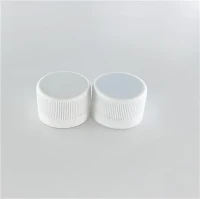
As a supplier of Milk Powder Lid Mould, I've had the privilege of working closely with clients across various industries, witnessing firsthand the pivotal role these moulds play in the production of high - quality milk powder lids. However, like any manufacturing tool, milk powder lid moulds come with their own set of limitations. In this blog, I'll delve into these limitations to help you make more informed decisions when considering using such moulds.
1. High Initial Investment
One of the most significant limitations of using a milk powder lid mould is the substantial initial investment required. Designing and manufacturing a custom - made milk powder lid mould is a complex and costly process. It involves advanced engineering techniques, high - precision machining, and the use of top - grade materials. The cost can vary widely depending on the complexity of the lid design, the size of the mould, and the production volume requirements.
For instance, if you need a mould that can produce lids with intricate locking mechanisms or unique branding elements, the cost can skyrocket. This high upfront cost can be a major deterrent for small and medium - sized enterprises (SMEs) with limited capital. Even for larger companies, it requires careful financial planning and a long - term commitment to justify the expense.


2. Long Lead Time for Production
Another limitation is the long lead time associated with the production of milk powder lid moulds. From the initial design phase to the final production and testing, the entire process can take several weeks or even months. This is due to the high level of precision and quality control required in mould manufacturing.
The design process involves detailed consultations with clients to understand their specific requirements, followed by the creation of 3D models and prototypes. Once the design is finalized, the actual machining of the mould begins, which can be a time - consuming process, especially for complex moulds. After machining, the mould needs to undergo rigorous testing to ensure it meets all the quality standards. This long lead time can delay the start of production for new milk powder products, causing missed market opportunities and potential revenue losses.
3. Limited Design Flexibility
Although milk powder lid moulds can be customized to a certain extent, there are still limitations to the design flexibility. The manufacturing process of the mould itself imposes some constraints on the shapes and features that can be incorporated into the lid design.
For example, sharp corners and deep undercuts can be difficult to achieve in a mould due to the limitations of machining techniques. This can restrict the creativity of product designers and limit the ability to develop unique and innovative lid designs. Additionally, once a mould is manufactured, making significant changes to the design can be extremely costly and time - consuming, often requiring the production of a new mould altogether.
4. High Maintenance Requirements
Milk powder lid moulds require regular maintenance to ensure their optimal performance and longevity. The constant use of the mould in a high - pressure injection - molding process can cause wear and tear on the mould surface. This can lead to issues such as surface roughness, dimensional inaccuracies, and even cracks in the mould.
Regular cleaning, lubrication, and inspection are essential to prevent these problems. Specialized cleaning agents and equipment are often required to remove any residual plastic or contaminants from the mould. In addition, any signs of wear or damage need to be repaired promptly to avoid further deterioration. The cost of maintenance, including the labor and materials, can add up over time, increasing the overall cost of using the mould.
5. Sensitivity to Production Conditions
Milk powder lid moulds are highly sensitive to the production conditions in the injection - molding process. Factors such as temperature, pressure, and injection speed can have a significant impact on the quality of the lids produced.
If the temperature is too high, the plastic material may degrade, resulting in poor - quality lids with surface defects or reduced mechanical properties. On the other hand, if the temperature is too low, the plastic may not flow properly, leading to incomplete filling of the mould cavity and defective lids. Similarly, improper pressure and injection speed can cause issues such as flash, warping, and uneven wall thickness. Maintaining the optimal production conditions requires skilled operators and sophisticated monitoring equipment, which can increase the complexity and cost of the production process.
6. Compatibility Issues
Compatibility can also be a limitation when using milk powder lid moulds. The mould needs to be compatible with the specific type of plastic material used for the lids. Different plastics have different melting points, flow properties, and shrinkage rates, which can affect the performance of the mould and the quality of the lids.
Moreover, the mould may need to be compatible with the injection - molding machine used in the production process. Not all machines are suitable for every type of mould, and ensuring compatibility can be a challenge. In some cases, companies may need to invest in new injection - molding machines or modify their existing ones to use a particular milk powder lid mould, which adds to the overall cost and complexity.
7. Environmental Impact
From an environmental perspective, the production and use of milk powder lid moulds also have some limitations. The manufacturing process of moulds often involves the use of large amounts of energy and raw materials, which can have a significant environmental footprint.
Additionally, the disposal of old or damaged moulds can be a problem. Moulds are typically made of metal, which requires proper recycling or disposal to avoid environmental pollution. As the demand for sustainable manufacturing practices increases, companies need to find ways to reduce the environmental impact of using milk powder lid moulds, which can be a challenge in itself.
Despite these limitations, milk powder lid moulds remain an essential tool in the production of high - quality milk powder lids. At our company, we are constantly working to overcome these challenges by investing in research and development, improving our manufacturing processes, and providing excellent customer service.
If you are interested in our Plastic Spray Cap Mould, 38mm Plastic Bottle Cap Mould, or Plastic Injection Candy Cap Mould, or have any questions about our milk powder lid moulds, we encourage you to reach out to us for a detailed discussion. We are committed to helping you find the best solutions for your specific needs.
References
- Smith, J. (2020). Mould Manufacturing: Challenges and Solutions. Manufacturing Journal, 15(2), 45 - 52.
- Brown, A. (2019). The Impact of Production Conditions on Mould Performance. Plastics Technology Review, 22(3), 78 - 85.
- Green, C. (2021). Environmental Considerations in Mould Production. Sustainable Manufacturing Magazine, 18(4), 67 - 73.