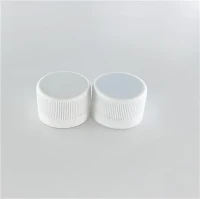
In the manufacturing industry, cap moulds play a crucial role in producing various types of caps used in a wide range of products, from beverage bottles to pharmaceutical containers. As a professional cap mould supplier, I've witnessed firsthand the significance of understanding the demoulding mechanism of cap moulds. This process is not only vital for the quality of the final product but also for the efficiency and productivity of the manufacturing process.
The Basics of Cap Moulds
Before delving into the demoulding mechanism, it's essential to understand the basic structure and function of cap moulds. Cap moulds are designed to create caps with specific shapes, sizes, and features. They are typically made from high - quality steel or other durable materials to withstand the high pressures and temperatures involved in the injection molding process.
The cap mould consists of two main parts: the cavity and the core. The cavity forms the outer shape of the cap, while the core creates the inner shape. When the molten plastic is injected into the mould, it fills the space between the cavity and the core, taking on the desired shape of the cap.
Demoulding Mechanisms
There are several demoulding mechanisms commonly used in cap moulds, each with its own advantages and applications.
1. Ejection Pins
Ejection pins are one of the most straightforward and widely used demoulding mechanisms. These pins are located on the core side of the mould. After the plastic has cooled and solidified, the mould opens, and the ejection pins are pushed forward to push the cap out of the mould cavity.
The advantage of ejection pins is their simplicity and reliability. They are relatively easy to install and maintain, making them a cost - effective solution for many cap moulding applications. However, they can leave small marks on the cap's surface, which may not be acceptable for high - quality or aesthetically demanding products.
2. Stripper Plates
Stripper plates are another common demoulding method. A stripper plate is a flat plate that moves parallel to the parting line of the mould. When the mould opens, the stripper plate moves towards the cap, pushing it off the core.
Stripper plates provide a more uniform force distribution compared to ejection pins, which helps to prevent damage to the cap during demoulding. They are particularly suitable for caps with complex shapes or thin walls, as they can handle the demoulding process more gently. However, stripper plates are more complex to design and manufacture, which can increase the cost of the mould.
3. Unscrewing Mechanisms
For caps with internal threads, an unscrewing mechanism is often required. This mechanism rotates the core to unscrew the cap from the mould. There are two main types of unscrewing mechanisms: hydraulic and electric.
Hydraulic unscrewing mechanisms use hydraulic cylinders to rotate the core. They are powerful and can handle large - scale production. Electric unscrewing mechanisms, on the other hand, are more precise and energy - efficient. They are often used in high - precision cap moulding applications.
Unscrewing mechanisms are essential for producing caps with tight - fitting threads, such as those used in pharmaceutical or cosmetic products. However, they are more complex and expensive than other demoulding mechanisms, and they require careful design and maintenance to ensure smooth operation.
Factors Affecting the Demoulding Process
Several factors can affect the demoulding process of cap moulds, and understanding these factors is crucial for optimizing the manufacturing process.
1. Plastic Material
Different plastic materials have different shrinkage rates, hardness, and adhesion properties. For example, polypropylene (PP) has a relatively high shrinkage rate, which can make it easier to demould compared to materials with lower shrinkage rates. The hardness of the plastic also affects the demoulding process. Softer plastics may require more gentle demoulding methods to prevent deformation.


2. Cap Design
The design of the cap, including its shape, size, and features, can significantly impact the demoulding process. Caps with complex shapes, such as those with undercuts or deep ribs, may require more sophisticated demoulding mechanisms. The thickness of the cap walls also plays a role. Thinner walls may be more prone to deformation during demoulding, so a more careful demoulding approach is needed.
3. Mould Temperature
The temperature of the mould during the cooling process affects the shrinkage and solidification of the plastic. A proper mould temperature control system is essential to ensure that the plastic cools evenly and solidifies to the right degree. If the mould is too hot, the plastic may not solidify properly, making it difficult to demould. If the mould is too cold, the plastic may shrink too much, causing the cap to stick to the mould.
Our Cap Mould Offerings
As a cap mould supplier, we offer a wide range of cap moulds, including 6 - Heli Cap, 5 - Heli Cap, and 3 - Heli Cap. Our moulds are designed with the latest technology and high - quality materials to ensure optimal performance and durability.
We understand the importance of the demoulding mechanism in the cap moulding process. That's why we carefully select the most suitable demoulding method for each cap design, taking into account factors such as the plastic material, cap shape, and production volume. Whether you need a simple cap mould with ejection pins or a complex mould with an unscrewing mechanism, we have the expertise and experience to meet your requirements.
Contact Us for Procurement
If you are in the market for high - quality cap moulds, we invite you to contact us for procurement and further discussion. Our team of experts is ready to assist you in choosing the right cap mould and demoulding mechanism for your specific application. We can also provide customized solutions based on your unique requirements.
References
- "Injection Molding Handbook" by O. Olsson and T. Menges
- "Plastic Mould Design" by P. Hopmann and J. G. Kloos
- "Mould Design for Plastics" by R. A. Campbell