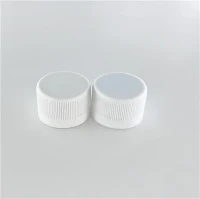
Hey there! As a supplier of 20L Oil Cap Moulds, I've spent a ton of time diving into the nitty - gritty details of how each part of the mould affects the final product. Today, I want to chat about one crucial component: the mold core and its effect on the shape of the oil cap in a 20L Oil Cap Mould.
First off, let's understand what a mold core is. In simple terms, the mold core is like the inner blueprint of the oil cap. It's the part of the mould that shapes the inside of the cap. When the molten plastic is injected into the 20L Oil Cap Mould, it fills the space around the mold core, taking on its shape as it cools and solidifies.
The shape of the mold core directly determines the internal shape of the oil cap. For a 20L oil cap, this is super important because it needs to fit perfectly on the oil container. If the core is designed with a precise diameter, the cap will have the right size opening to fit snugly on the bottle neck. A slight deviation in the core's diameter can lead to a cap that's either too loose or too tight. A loose cap won't seal properly, which can cause oil to leak out, while a tight cap can be difficult for customers to remove.
The height of the mold core also plays a key role. In a 20L oil cap, the right height ensures that the cap covers the opening of the container adequately. If the core is too short, the cap might not provide a full - length seal, leaving the oil exposed to air and contaminants. On the other hand, an overly long core can result in a cap that protrudes too much, which isn't aesthetically pleasing and can also take up more space during storage and transportation.
Surface finish of the mold core is another factor. A smooth core surface will result in an oil cap with a nice, polished interior. This not only looks good but also has practical benefits. A smooth interior reduces the risk of plastic particles or debris getting trapped inside the cap. In the oil industry, cleanliness is of utmost importance, so a well - finished core is essential for producing high - quality caps.
Now, let's talk about some of the design features of the mold core that can impact the oil cap's shape. Thread design on the core is a critical aspect. The threads on a 20L oil cap are what allow it to screw on and off the container. The pitch, depth, and shape of the threads on the core determine how the threads on the cap will turn out. If the thread pitch on the core is incorrect, the cap might not screw on evenly, or it could strip the threads on the bottle neck. A well - designed thread on the core ensures a smooth and reliable screwing action, which is a key user experience factor.
Another design feature is the presence of any undercuts or recesses in the core. Undercuts can be used to create specific features on the inside of the cap, like grooves for a sealing ring. However, they need to be carefully designed. If the undercut is too deep or the angle is wrong, it can make it difficult to eject the cap from the mould after it's formed. This can lead to production delays and even damage to the cap.
The material of the mold core also affects the shape of the oil cap. Different materials have different thermal expansion properties. For example, if the core is made of a material that expands too much during the injection molding process due to the high temperature of the molten plastic, it can cause the cap to have a distorted shape when it cools down. So, choosing the right core material is crucial for maintaining the accuracy of the cap's shape.
In the production of 20L oil caps, we also need to consider the manufacturing process of the mold core itself. Precision machining is essential to ensure that the core has the exact dimensions and features required. Any errors in the machining process can be transferred to the oil cap. For instance, if the cutting tools used to shape the core are worn out, the core might have rough edges or inaccurate dimensions, which will be reflected in the final cap.


We also offer a range of related products, such as Oil Bottle Lid Mould and 32 Cavity Hot Runner Oil Cap Mould. These products are designed with the same attention to detail as our 20L Oil Cap Mould to ensure high - quality production of oil caps.
In conclusion, the mold core has a profound effect on the shape of the oil cap in a 20L Oil Cap Mould. From the diameter and height to the thread design and surface finish, every aspect of the core's design and manufacturing process impacts the final product. As a supplier, we're constantly working to improve our mold core designs to ensure that the oil caps we help produce are of the highest quality.
If you're in the market for a 20L Oil Cap Mould or any of our related products, I encourage you to reach out and start a conversation. We're here to help you get the best - fitting, highest - quality oil caps for your business. Whether you have specific design requirements or just need some advice, our team is ready to assist.
References
- "Injection Molding Handbook" by O. Olkun, which provides in - depth knowledge about mold design and the factors affecting the final product shape.
- "Plastic Product Design" by J. H. Brien, offering insights into the design considerations for plastic caps and containers.