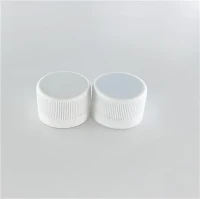
Hey there! As a supplier of Milk Powder Lid Moulds, I often get asked about the lifespan of these moulds. It's a crucial question, especially for businesses in the milk powder industry. After all, the lifespan of a mould can significantly impact production costs, efficiency, and product quality. So, let's dive right in and explore what affects the lifespan of a milk powder lid mould and how long you can expect it to last.
Factors Affecting the Lifespan of a Milk Powder Lid Mould
Material Quality
The quality of the material used to make the mould is one of the most important factors. High - grade steel, for example, is commonly used in manufacturing milk powder lid moulds. Steel with good hardness, toughness, and wear - resistance can withstand the high - pressure injection process and repeated use without significant damage. Cheaper materials might save you some money upfront, but they are likely to wear out faster, leading to more frequent replacements.
Manufacturing Process
A well - manufactured mould has a longer lifespan. Precision machining, proper heat treatment, and surface finishing are all essential steps in the manufacturing process. For instance, if the mould is not machined accurately, it can lead to uneven stress distribution during the injection process. This uneven stress can cause premature wear and tear, cracks, or deformation. A mould that undergoes high - quality surface treatment, like nitriding or chrome plating, can have better corrosion resistance and reduced friction, which also contributes to a longer lifespan.
Operating Conditions
The way the mould is used in the production environment also matters a great deal. High - temperature injection processes can put more stress on the mould. If the temperature is not properly controlled, it can cause thermal expansion and contraction, leading to internal stresses that may eventually result in cracks. Similarly, high - pressure injection can also accelerate wear. Additionally, the cleanliness of the production environment is important. Dust, debris, and contaminants can scratch the mould surface, reducing its lifespan.
Maintenance and Care
Regular maintenance is key to extending the lifespan of a milk powder lid mould. This includes cleaning the mould after each use to remove any residual plastic or other contaminants. Lubrication of moving parts is also necessary to reduce friction and prevent wear. Periodic inspections can help detect early signs of damage, such as cracks or wear, so that repairs can be made promptly. If a small problem is ignored, it can quickly escalate and render the mould unusable.
Average Lifespan of a Milk Powder Lid Mould
On average, a high - quality milk powder lid mould can last for hundreds of thousands to millions of cycles. However, this can vary widely depending on the factors mentioned above. A well - made and well - maintained mould can easily reach 1 million cycles or more. On the other hand, a mould made from lower - quality materials or subjected to harsh operating conditions may only last for a few hundred thousand cycles.
Let me give you a more specific example. If a mould is made from premium steel, manufactured with precision, and used in a well - controlled production environment with regular maintenance, it might be able to produce 1.5 million lids before it starts to show significant signs of wear. But if the same mould is used in a less - than - ideal environment without proper maintenance, its lifespan could be cut in half or even more.
Importance of a Long - Lifespan Mould
Having a milk powder lid mould with a long lifespan is beneficial for several reasons. Firstly, it reduces the overall production cost. You won't have to replace the mould as frequently, which means less money spent on new moulds. Secondly, it improves production efficiency. Fewer mould replacements mean less downtime for the production line. This allows you to meet your production targets more consistently. Thirdly, a long - lifespan mould can help maintain product quality. A well - maintained and undamaged mould will produce lids with consistent dimensions and quality, which is crucial for ensuring the integrity of the milk powder packaging.
Our Product Range
As a supplier, we offer a wide range of milk powder lid moulds. We also have some other related products that might interest you. For example, we have the 38mm Plastic Bottle Cap Mould, which is designed for bottles of a specific size. It's made with high - quality materials and precision manufacturing techniques to ensure a long lifespan.
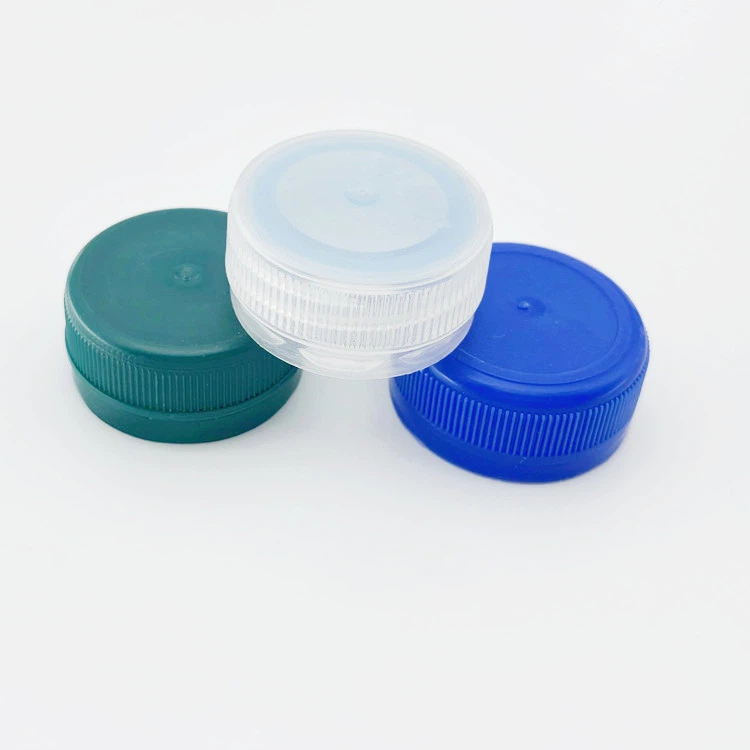

Another great product is the 48 Cavity Plastic Cap Mould. This high - cavity mould allows for high - volume production, which can significantly increase your production efficiency. And if you're looking for a screw - type cap, our Screw Cap Bottle Mold is a top - notch option. It provides a secure closure for milk powder bottles and is built to last.
Contact Us for Your Mould Needs
If you're in the market for a milk powder lid mould or any of our other products, don't hesitate to get in touch. We're always ready to discuss your specific requirements, answer your questions, and provide you with the best possible solution. Whether you need a custom - made mould or one from our standard product range, we can help you make the right choice.
References
- "Plastic Injection Moulding Handbook" - A comprehensive guide on plastic injection moulding processes and mould design.
- Industry reports on the manufacturing and use of plastic caps and moulds.