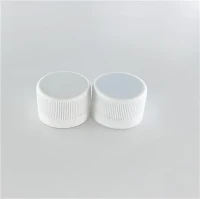
What is the price of a 3 Gallon Cap Mould?
As a supplier of 3 Gallon Cap Moulds, I often get asked about the price of these essential tools in the manufacturing industry. The cost of a 3 Gallon Cap Mould can vary significantly based on a multitude of factors, and in this blog, I'll delve into what influences the price and give you a better understanding of what to expect when looking to purchase one.
Factors Affecting the Price
-
Material Quality
The material used to make the 3 Gallon Cap Mould is a primary determinant of its price. High - quality steel, such as P20 or H13, is often preferred for its durability, heat resistance, and ability to withstand the high - pressure injection molding process. Moulds made from premium steel can last longer and produce a larger number of caps with consistent quality. However, these materials come at a higher cost, which is then reflected in the price of the mould itself. On the other hand, lower - grade materials may be cheaper initially, but they may wear out faster, leading to more frequent replacements and higher long - term costs. -
Complexity of Design
The design of the 3 Gallon Cap Mould also plays a crucial role in pricing. A simple cap design with basic features will generally be less expensive to manufacture than a cap with intricate details, such as a unique shape, multiple layers, or special locking mechanisms. Complex designs require more precise machining and engineering, which increases the labor and time involved in creating the mould. For example, if a cap has a tamper - evident band or a custom - engraved logo, the mould will need to be designed and fabricated with greater precision, driving up the cost. -
Cavity Number
The number of cavities in a 3 Gallon Cap Mould refers to how many caps can be produced in a single injection molding cycle. Moulds with more cavities can produce more caps in less time, increasing production efficiency. However, they are also more expensive to manufacture. A single - cavity mould is the simplest and least expensive option, but it may not be suitable for high - volume production. In contrast, multi - cavity moulds, such as 4 - cavity, 8 - cavity, or even more, can significantly boost output but come with a higher price tag due to the increased complexity of the design and manufacturing process. You can check out the 8 Cavity 5 Gallon Cap Mould for an example of a high - cavity mould. -
Manufacturing Process and Precision
The manufacturing process of the 3 Gallon Cap Mould involves several steps, including machining, heat treatment, and finishing. High - precision manufacturing techniques, such as computer - numerical control (CNC) machining, ensure that the mould has accurate dimensions and a smooth surface finish. These advanced processes require specialized equipment and skilled operators, which contribute to the overall cost. Additionally, strict quality control measures are necessary to ensure that the mould meets the required standards, further adding to the expenses.

-
Market Demand and Competition
The market demand for 3 Gallon Cap Moulds and the level of competition among suppliers can also impact the price. In a highly competitive market, suppliers may offer more competitive prices to attract customers. However, if there is a high demand for these moulds and limited supply, the prices may increase. Economic factors, such as fluctuations in raw material prices and labor costs, can also influence the market price of the moulds.
Price Range
Based on the factors mentioned above, the price of a 3 Gallon Cap Mould can range from a few thousand dollars to tens of thousands of dollars. A simple, single - cavity mould made from standard materials may cost in the lower end of the range, perhaps around $2,000 - $5,000. On the other hand, a high - end, multi - cavity mould with complex design and made from premium materials can cost upwards of $20,000 or more.
It's important to note that these are just rough estimates, and the actual price will depend on the specific requirements of the customer. For example, if you need a mould with a unique design or specific features, the price may deviate from these ranges.
Choosing the Right 3 Gallon Cap Mould
When looking for a 3 Gallon Cap Mould, price should not be the only consideration. You need to balance the cost with the quality, durability, and performance of the mould. A cheaper mould may seem like a good deal initially, but it may not last as long or produce high - quality caps, which can lead to increased production costs in the long run.
It's also advisable to work with a reliable and experienced supplier. A good supplier can provide you with professional advice on the design and material selection of the mould, ensuring that it meets your production needs. They can also offer after - sales service and support, which is crucial for the smooth operation of your manufacturing process.
We, as a 3 Gallon Cap Mould supplier, have years of experience in the industry. We understand the importance of providing high - quality moulds at competitive prices. Our team of experts can work closely with you to design and manufacture a 3 Gallon Cap Mould that suits your specific requirements. You can explore our 3 Gallon Cap Mould product page to learn more about our offerings.
Related Moulds
In addition to 3 Gallon Cap Moulds, we also offer other types of cap moulds, such as the PE 5 Gallon Cap Mould. These moulds are designed to meet the specific needs of different industries and applications. Whether you are in the water bottling industry or the chemical packaging industry, we have the right mould for you.
Contact for Procurement
If you are interested in purchasing a 3 Gallon Cap Mould or have any questions about our products, we encourage you to contact us for a detailed discussion. Our sales team is ready to provide you with a customized quote based on your requirements. We look forward to the opportunity to work with you and help you improve your production efficiency with our high - quality moulds.
References
- Injection Molding Handbook by Oswald A. Johnigne.
- Plastic Injection Molding Technology by Paul F. Wittmann.