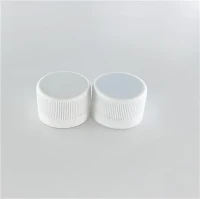
As a seasoned supplier of Plastic Spray Cap Moulds, I've witnessed firsthand the pivotal role that ejector systems play in the production process. In this blog, I'll delve into the significance of ejector systems in plastic spray cap moulds, exploring their functions, types, and impact on the overall manufacturing efficiency.
The Basics of Plastic Spray Cap Moulds
Before we dive into the ejector system, let's briefly understand what plastic spray cap moulds are. These moulds are precision - engineered tools used to manufacture plastic spray caps, which are widely used in various industries such as cosmetics, pharmaceuticals, and household cleaning products. The quality of the mould directly affects the quality, shape, and functionality of the final spray caps.
A well - designed plastic spray cap mould ensures that the spray caps have consistent dimensions, smooth surfaces, and proper sealing capabilities. To achieve this, every component of the mould, including the ejector system, must work in harmony.
The Role of the Ejector System
The ejector system is an essential part of a plastic spray cap mould. Its primary function is to remove the finished plastic spray caps from the mould cavity after the plastic has cooled and solidified. This seemingly simple task is crucial for several reasons.
Ensuring Production Continuity
In a high - volume manufacturing environment, time is of the essence. The ejector system allows for the rapid and efficient removal of the spray caps from the mould, enabling the next injection cycle to start immediately. Without an effective ejector system, the production process would be severely hampered, leading to longer cycle times and reduced productivity.


For example, in our Plastic Spray Cap Mould production, we've optimized the ejector system to ensure that the cycle time is minimized. This has allowed our clients to increase their production output significantly, meeting the high - demand in the market.
Protecting the Mould and the Product
During the ejection process, the ejector system must apply the right amount of force to remove the spray caps without damaging either the mould or the product. If the force is too high, it can cause wear and tear on the mould cavity, leading to premature mould failure. On the other hand, if the force is too low, the spray caps may not be ejected properly, resulting in defective products.
Our ejector systems are carefully calibrated to apply a uniform and controlled force. This not only extends the lifespan of the mould but also ensures that the spray caps are ejected intact, maintaining their high - quality finish.
Maintaining Product Quality
The way the ejector system contacts the spray caps can also impact the product quality. If the ejector pins or sleeves are not properly designed or positioned, they can leave marks or deformations on the surface of the spray caps. This is particularly important for cosmetic spray caps, where a flawless appearance is crucial.
We pay close attention to the design and placement of the ejector components in our Plastic Cosmetic Bottle Cap Mould. By using advanced simulation techniques, we can predict how the ejector system will interact with the spray caps and make adjustments to ensure a smooth and mark - free ejection.
Types of Ejector Systems
There are several types of ejector systems used in plastic spray cap moulds, each with its own advantages and disadvantages.
Ejector Pins
Ejector pins are the most common type of ejector system. They are simple, reliable, and cost - effective. Ejector pins are typically made of hardened steel and are inserted into the mould cavity through small holes. When the mould opens, the ejector pins are pushed forward by the ejector plate, applying force to the bottom of the spray cap to push it out of the cavity.
However, ejector pins can leave small marks on the surface of the spray cap where they make contact. To minimize this, we often use polished ejector pins or design the mould in such a way that the marks are hidden in an inconspicuous area.
Ejector Sleeves
Ejector sleeves are used when a more uniform force distribution is required. They are essentially hollow tubes that surround the core of the mould. When the mould opens, the ejector sleeves move forward, pushing the spray cap off the core. Ejector sleeves are particularly useful for spray caps with complex shapes or thin walls, as they can provide a more gentle and even ejection force.
Our 24 Cavity Hot Runner Plastic Cap Mold often utilizes ejector sleeves to ensure the proper ejection of the spray caps in each cavity. This helps to maintain the high - quality and consistency of the products across all cavities.
Stripper Plates
Stripper plates are used for larger or more complex spray caps. They are large, flat plates that move parallel to the mould parting line. When the mould opens, the stripper plate moves forward, stripping the spray cap from the core. Stripper plates are effective for removing spray caps with undercuts or complex geometries, as they can apply a uniform force over a large area.
Design Considerations for the Ejector System
The design of the ejector system is a critical aspect of plastic spray cap mould design. Several factors need to be considered to ensure its effectiveness.
Ejector Location
The location of the ejector components, such as ejector pins or sleeves, must be carefully chosen. They should be placed in areas where the plastic has sufficient strength to withstand the ejection force without deforming. At the same time, the location should not interfere with the functionality or appearance of the spray cap.
Ejector Size and Number
The size and number of ejector components depend on the size and shape of the spray cap. Larger spray caps may require more ejector pins or larger ejector sleeves to ensure proper ejection. However, using too many ejector components can increase the complexity and cost of the mould. Therefore, a balance must be struck between the ejection requirements and the overall mould design.
Material Selection
The material used for the ejector components is also important. It should have high strength, wear resistance, and corrosion resistance. Hardened steel is a popular choice for ejector pins and sleeves, as it can withstand the high - pressure and friction during the ejection process.
Conclusion
In conclusion, the ejector system plays a vital role in a plastic spray cap mould. It is essential for ensuring production continuity, protecting the mould and the product, and maintaining product quality. By carefully designing and optimizing the ejector system, we can enhance the efficiency and effectiveness of the plastic spray cap manufacturing process.
If you are in the market for high - quality plastic spray cap moulds or need more information about our products, please don't hesitate to contact us for a procurement discussion. We are committed to providing our clients with the best solutions for their plastic spray cap manufacturing needs.
References
- Throne, J. L. (2017). Plastics Process Engineering. Hanser Publishers.
- Rosato, D. V., & Rosato, D. V. (2011). Injection Molding Handbook. Wiley.