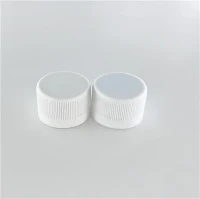
As a supplier of Flip Top Cap Moulds, I often get asked about the surface finish requirements for these moulds. It's a crucial aspect that can significantly impact the quality of the final product. So, let's dive right into what those requirements are.
Understanding Surface Finish
First off, surface finish refers to the texture and smoothness of the mould's cavity surface. It's not just about making the mould look good; it has a direct effect on how the flip - top caps are produced. A proper surface finish can enhance the appearance of the caps, improve their functionality, and even extend the lifespan of the mould itself.
Aesthetics and Functionality
The surface finish of a flip - top cap mould plays a huge role in the aesthetics of the final product. Customers want caps that look sleek, shiny, and free of any blemishes. If the mould's surface is rough, it can transfer those imperfections onto the caps, making them look unappealing. For example, in the case of Wet Wipes Lid Mold, a smooth and polished finish is essential as it gives the wet wipes lid a high - end look.
Functionality is another key factor. A well - finished mould surface allows the plastic to flow smoothly during the injection molding process. This helps in achieving a uniform wall thickness in the flip - top caps. For instance, in Plastic Injection Shampoo Flip Top Cap Mould, proper plastic flow ensures that the cap fits snugly on the shampoo bottle and operates smoothly.
Different Types of Surface Finishes
There are several types of surface finishes that can be applied to flip - top cap moulds, each with its own characteristics and uses.


Mirror Finish
A mirror finish is the smoothest and shiniest finish available. It gives the caps a very luxurious look and is often used for high - end products. This finish requires a high level of precision and skill to achieve. The mirror finish reduces friction between the plastic and the mould, which makes it easier for the caps to be ejected from the mould. It's ideal for caps that are sold in premium markets, like high - end cosmetics.
Matte Finish
On the other hand, a matte finish provides a more subdued and sophisticated look. It can hide fingerprints and scratches better than a mirror finish. Matte finishes are commonly used for products where a more understated appearance is desired, such as some household cleaners or certain types of personal care products.
Textured Finish
Textured finishes can be used to add grip or a unique visual effect to the flip - top caps. For example, a fine - grained texture can make it easier for users to open and close the caps, especially if their hands are wet. Textured finishes can also be used to mimic natural materials or create a pattern on the caps.
Factors Influencing Surface Finish Requirements
Several factors influence the choice of surface finish for a flip - top cap mould.
Material of the Caps
The type of plastic used to make the caps matters a lot. Some plastics, like polypropylene, may require a different surface finish compared to PET or PVC. For example, polypropylene tends to stick to the mould more, so a smoother finish may be needed to ensure easy ejection.
Product Application
The intended use of the flip - top caps is also an important factor. If the caps are for a food product, the surface finish must comply with food - grade safety standards. This means that the finish should be non - toxic and easy to clean. In contrast, caps for industrial products may have different aesthetic and functional requirements.
Market Preferences
Market trends and customer preferences play a big part in deciding the surface finish. Different regions and customer segments may have different tastes when it comes to the appearance of the caps. For example, some consumers may prefer a shiny look, while others may like a more matte or textured finish.
Achieving the Right Surface Finish
To achieve the desired surface finish for a flip - top cap mould, we use a combination of advanced machining techniques and post - processing operations.
Machining
Precision machining is the first step in creating a high - quality surface finish. We use state - of the - art CNC machines to cut and shape the mould cavities with extreme accuracy. This helps in creating a base surface that can then be further refined.
Polishing
Polishing is a crucial post - processing step. Depending on the desired finish, we use different grades of polishing materials to gradually smooth and shine the mould surface. For a mirror finish, this process can be quite time - consuming and requires a lot of skill.
Texturing
If a textured finish is required, we use techniques such as chemical etching or laser engraving. These methods allow us to create precise and consistent textures on the mould surface.
Quality Control
Quality control is an integral part of the process to ensure that the surface finish meets the required standards. We use a variety of inspection tools, such as surface roughness testers and optical microscopes, to measure and evaluate the surface finish. Any deviations from the specifications are immediately addressed to ensure that the final product is of the highest quality.
Why Choose Our Flip Top Cap Moulds
As a supplier, we have the expertise and experience to provide flip - top cap moulds with the perfect surface finish. Our team of skilled technicians and engineers is dedicated to ensuring that every mould we produce meets or exceeds our customers' expectations. We use the latest technology and materials to create durable and high - performance moulds.
Whether you're looking for a Wet Wipes Lid Mold, Plastic Injection Shampoo Flip Top Cap Mould, or Flip Top Mould, we can provide you with a customized solution that fits your specific needs.
If you're in the market for high - quality flip - top cap moulds, don't hesitate to reach out for a consultation. We're here to help you get the best surface finish for your moulds and ensure the success of your products. Let's discuss your requirements and how we can work together to create the perfect flip - top cap moulds for your business.
References
- "Injection Molding Handbook"
- "Plastic Product Design"
- Industry reports on flip - top cap manufacturing