Surface finish requirements play a crucial role in the manufacturing of plastic spoon cap moulds. As a reputable Plastic Spoon Cap Mould supplier, we understand the significance of achieving the right surface finish to ensure the quality, functionality, and aesthetics of the plastic spoon caps produced. In this blog post, we will delve into the various aspects of surface finish requirements for plastic spoon cap moulds.
Understanding Surface Finish
Surface finish, also known as surface texture, refers to the quality of a surface as defined by the combination of roughness, waviness, and lay. In the context of plastic spoon cap moulds, the surface finish directly impacts the appearance and performance of the final product. A smooth and uniform surface finish can enhance the visual appeal of the plastic spoon caps, making them more attractive to consumers. Additionally, it can also improve the functionality of the caps by ensuring a proper seal and easy opening and closing.
Importance of Surface Finish for Plastic Spoon Cap Moulds
- Aesthetics
The surface finish of a plastic spoon cap is one of the first things that consumers notice. A high - quality surface finish gives the caps a professional and clean look. It can also help to enhance the brand image, as well - finished products are often associated with higher quality. For example, a shiny, smooth surface finish can make the plastic spoon caps look more premium and appealing on the shelves, increasing their marketability. - Functionality
A proper surface finish is essential for the functionality of plastic spoon caps. A smooth surface can reduce friction, making it easier for consumers to open and close the caps. This is especially important for products that need to be easily accessible, such as food or beverage containers. Moreover, a well - finished surface can ensure a tight seal, preventing leakage and maintaining the freshness of the contents inside the container. - Mould Release
The surface finish of the mould also affects the ease of mould release. A smooth surface with the right texture can prevent the plastic from sticking to the mould during the injection - molding process. This reduces the risk of damage to the plastic spoon caps during demoulding and improves the overall production efficiency.
Surface Finish Requirements for Plastic Spoon Cap Moulds
- Roughness
Roughness is a key parameter in surface finish. For plastic spoon cap moulds, a relatively low roughness value is typically required. A smooth surface with a low roughness can prevent the formation of visible marks or scratches on the plastic caps. The roughness of the mould surface is usually measured in micrometers (μm). For high - quality plastic spoon cap moulds, the roughness value (Ra) is often in the range of 0.025 - 0.2 μm. This smooth surface can ensure that the plastic caps have a flawless appearance and a good feel. - Waviness
Waviness refers to the long - wavelength deviations from the nominal surface. In plastic spoon cap moulds, excessive waviness can cause problems such as uneven sealing and visible cosmetic defects on the caps. The waviness of the mould surface should be minimized to ensure the consistency and quality of the plastic caps. Generally, the waviness should be within a few micrometers to ensure proper functionality and aesthetics. - Lay
Lay refers to the direction of the predominant surface pattern. In plastic spoon cap moulds, the lay should be carefully controlled to ensure uniform flow of the plastic during the injection - molding process. A proper lay direction can help to reduce internal stresses in the plastic caps and improve their overall strength. For example, a parallel lay pattern can be beneficial for guiding the plastic flow and achieving a more consistent surface finish on the caps.
Methods for Achieving the Required Surface Finish
- Machining Processes
Precision machining techniques such as milling, grinding, and polishing are commonly used to achieve the desired surface finish on plastic spoon cap moulds. High - speed milling can be used to create an initial smooth surface, followed by grinding to further refine the surface roughness. Polishing is the final step to achieve a mirror - like finish if required. The choice of machining tools and parameters is crucial to obtaining the right surface finish. For example, using fine - grained cutting tools and appropriate cutting speeds can help to reduce surface roughness. - Surface Treatments
Surface treatments such as electroplating, nitriding, and coating can also be applied to improve the surface finish and performance of plastic spoon cap moulds. Electroplating can provide a hard and smooth surface layer that resists wear and corrosion. Nitriding can enhance the hardness and fatigue resistance of the mould surface. Coating materials such as PTFE (polytetrafluoroethylene) can reduce friction and improve the mould release properties.
Our Capabilities as a Plastic Spoon Cap Mould Supplier
As a leading Plastic Spoon Cap Mould supplier, we have extensive experience and advanced technology in manufacturing moulds with high - quality surface finishes. We use state - of - the - art machining equipment and employ skilled technicians to ensure that each mould meets the strict surface finish requirements.
We also offer a variety of mould designs to meet different customer needs. For those interested in related products, you can check out our 38mm Plastic Bottle Cap Mould, Hot Runner Mosquito Liquid Cap Mould, and Plastic Drinking Bottle Cap Mould.
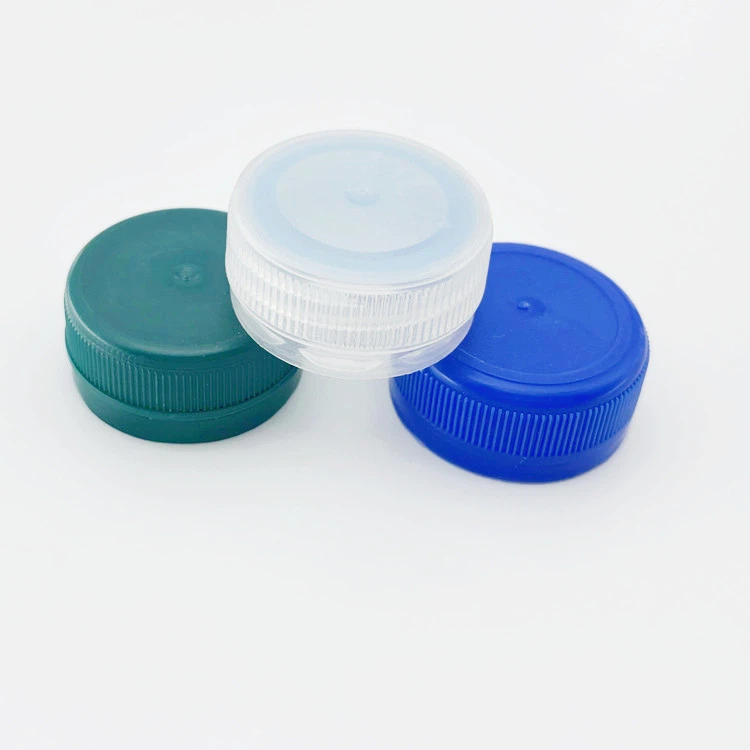
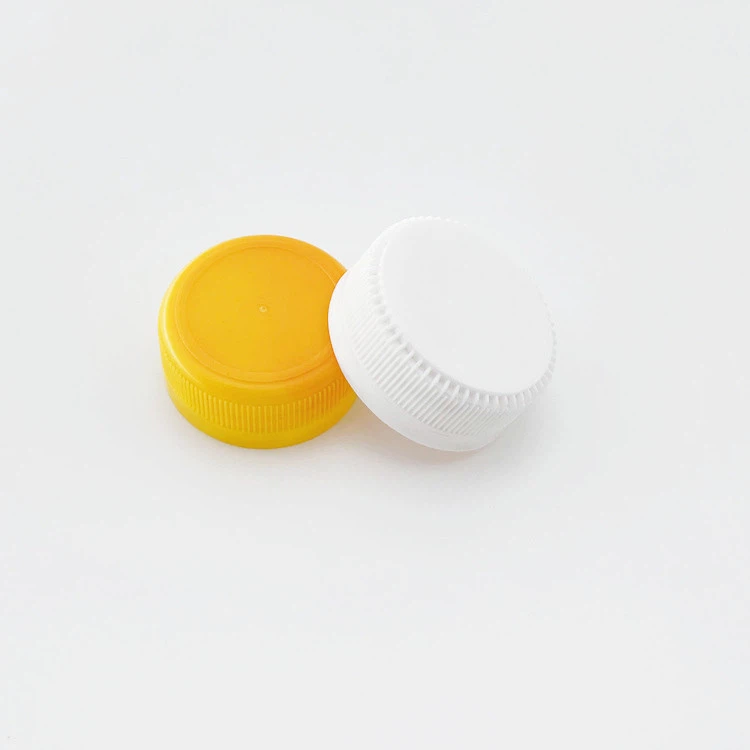
If you are in the market for high - quality plastic spoon cap moulds or have specific surface finish requirements, we encourage you to contact us for in - depth discussions and potential procurement. Our team of experts is always ready to assist you in finding the best solutions for your moulding needs.
References
- Walker, J. (2018). Plastic Injection Molding Technology. Wiley Publishing.
- Doe, M. & Smith, R. (2020). Surface Finish in Precision Mould Manufacturing. Journal of Manufacturing Science.
- Jones, A. (2019). Advances in Mould Surface Treatments. Manufacturing Innovations Journal.