

Hey there! As a supplier of Plastic Spray Cap Moulds, I often get asked about the tolerance level of these moulds. So, I thought I'd take some time to break it down for you in this blog post.

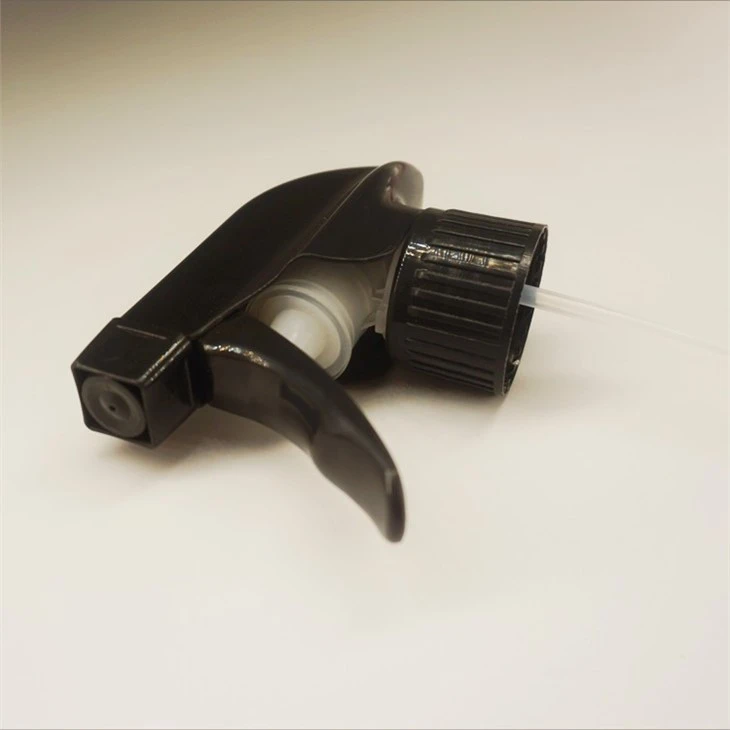
First off, let's talk about what tolerance means in the context of plastic spray cap moulds. Tolerance refers to the allowable deviation from a specified dimension or quality characteristic. In simpler terms, it's the amount of leeway we have in the manufacturing process while still ensuring that the final product meets the required standards.
When it comes to plastic spray cap moulds, the tolerance level is crucial. It directly affects the functionality, fit, and overall quality of the spray caps produced. A mould with tight tolerances will produce caps that fit precisely on bottles, ensuring a proper seal and preventing leaks. On the other hand, a mould with loose tolerances may result in caps that are too loose or too tight, leading to issues with dispensing the product or even damage to the cap or bottle.
There are several factors that can influence the tolerance level of a plastic spray cap mould. One of the most important factors is the manufacturing process itself. Injection moulding is the most common method used to produce plastic spray caps, and it involves injecting molten plastic into a mould cavity under high pressure. The precision of the injection moulding machine, the quality of the mould tooling, and the skill of the operator all play a role in determining the final tolerance of the mould.
Another factor that can affect tolerance is the type of plastic material used. Different plastics have different shrinkage rates, which means they will contract to different degrees as they cool and solidify. This shrinkage needs to be taken into account when designing the mould to ensure that the final dimensions of the spray cap are within the desired tolerance range.
The design of the spray cap itself also has an impact on tolerance. Complex designs with intricate features or thin walls may require tighter tolerances to ensure proper functionality. For example, a spray cap with a fine mist nozzle may need very precise dimensions to produce a consistent and even spray pattern.
So, what is the typical tolerance level for a plastic spray cap mould? Well, it can vary depending on the specific requirements of the customer and the application of the spray cap. In general, for most standard plastic spray caps, a tolerance of ±0.05mm to ±0.1mm is considered acceptable. However, for more demanding applications or high-precision caps, tolerances as tight as ±0.02mm may be required.
At our company, we understand the importance of tight tolerances in plastic spray cap moulds. That's why we use state-of-the-art manufacturing equipment and techniques to ensure the highest level of precision in our moulds. Our team of experienced engineers and technicians carefully designs and manufactures each mould to meet the specific requirements of our customers, taking into account all the factors that can affect tolerance.
We also offer a range of other plastic cap moulds, including Plastic Injection Candy Cap Mould and Plastic Cosmetic Bottle Cap Mould. These moulds are also designed with tight tolerances to ensure the best possible quality and performance of the caps they produce.
If you're in the market for a Plastic Spray Cap Mould or any other type of plastic cap mould, we'd love to hear from you. Our team is ready to work with you to understand your specific needs and provide you with a high-quality mould that meets your exact requirements. Whether you need a standard design or a custom solution, we have the expertise and experience to deliver.
In conclusion, the tolerance level of a plastic spray cap mould is a critical factor that can significantly impact the quality and functionality of the spray caps produced. By understanding the factors that influence tolerance and working with a reliable supplier who can ensure tight tolerances, you can be confident that you'll get a mould that produces high-quality spray caps every time.
So, don't hesitate to reach out to us if you have any questions or if you're interested in learning more about our plastic cap moulds. We're here to help you take your product to the next level!
References
- Injection Moulding Handbook, by Rosato, Rosato, and Menges
- Plastics Materials, by J. A. Brydson


