

As a seasoned supplier of Plastic Spray Cap Moulds, I understand the challenges that come with managing costs in the production process. In today's competitive market, finding effective cost-saving measures is not just a goal; it's a necessity for businesses looking to stay profitable and competitive. In this blog post, I'll share some strategies that we've found to be successful in reducing the cost of plastic spray cap mould production.
Material Selection
One of the most significant factors in mould production cost is the choice of materials. High-quality materials are essential for producing durable and precise moulds, but they can also be expensive. To strike a balance between quality and cost, it's crucial to select materials that meet the specific requirements of the mould while being cost-effective.
For instance, we often use pre-hardened steel for our moulds. This type of steel is less expensive than some of the other high-performance steels but still offers good mechanical properties and wear resistance. It can be machined more easily, which reduces machining time and cost. Additionally, we source our materials from reliable suppliers who offer competitive prices without compromising on quality. By building long-term relationships with these suppliers, we can often negotiate better deals and secure volume discounts.
Another aspect of material selection is the use of recycled materials. In recent years, there has been a growing trend towards sustainability in the manufacturing industry. Using recycled plastics in the production of spray caps can significantly reduce material costs. Not only are recycled plastics generally cheaper than virgin plastics, but they also have a lower environmental impact. However, it's important to ensure that the recycled materials meet the necessary quality standards for the spray caps.
Design Optimization
The design of the plastic spray cap mould plays a crucial role in determining production costs. A well-designed mould can reduce the amount of material used, minimize machining time, and improve the overall efficiency of the production process.
One way to optimize the design is to reduce the complexity of the mould. Complex designs often require more machining operations, which can increase costs. By simplifying the design, we can reduce the number of parts and features in the mould, making it easier and faster to manufacture. For example, we can use standard components and features whenever possible, rather than custom-designed ones. This not only reduces design and manufacturing costs but also makes it easier to source replacement parts if needed.
Another design optimization technique is to improve the gating system. The gating system is responsible for delivering the molten plastic into the mould cavity. A well-designed gating system can ensure uniform filling of the cavity, reduce the amount of waste plastic, and improve the quality of the final product. We use advanced simulation software to analyze and optimize the gating system design, ensuring that it is as efficient as possible.
Machining Efficiency
Machining is a major cost factor in mould production. To reduce machining costs, we focus on improving machining efficiency. This involves using the latest machining technologies and techniques to minimize machining time and waste.
One of the key technologies we use is computer numerical control (CNC) machining. CNC machines are highly precise and can perform complex machining operations with great accuracy. They also offer high productivity, as they can operate continuously without the need for constant operator intervention. By using CNC machining, we can reduce the time required to manufacture the mould and improve the quality of the finished product.
In addition to CNC machining, we also use advanced cutting tools and techniques. High-speed cutting tools can significantly reduce machining time by allowing us to remove material more quickly. We also use coolant and lubrication systems to improve tool life and reduce the amount of heat generated during machining, which can improve the quality of the machined surface.
Process Automation
Automation is another effective way to reduce costs in plastic spray cap mould production. By automating certain processes, we can increase productivity, reduce labor costs, and improve the consistency and quality of the final product.

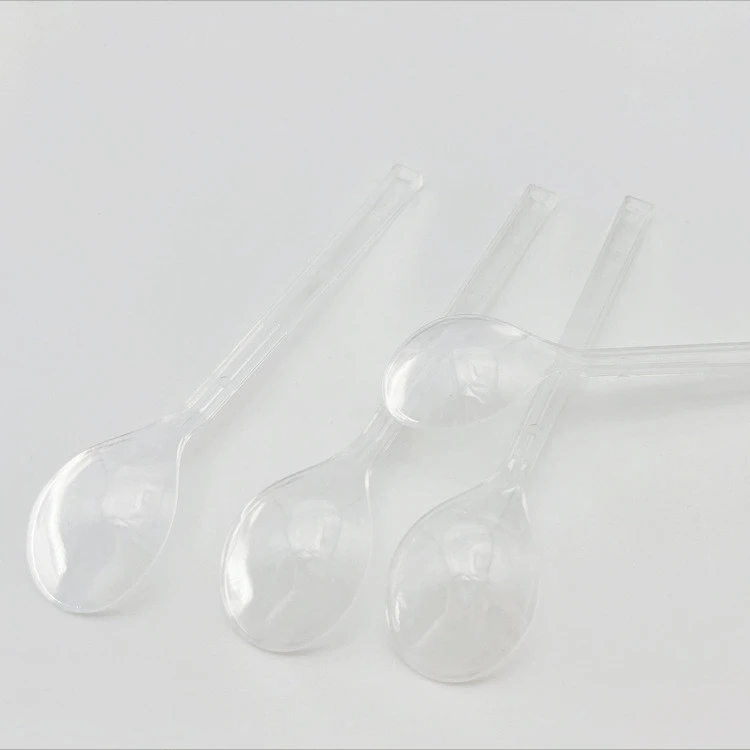
One area where we have implemented automation is in the injection molding process. We use automated injection molding machines that can precisely control the injection pressure, temperature, and time. This ensures that each spray cap is produced with the same quality and specifications, reducing the number of defective parts and waste.
We also use robotic systems for tasks such as part removal, assembly, and quality inspection. Robots can work faster and more accurately than human operators, and they can operate 24/7 without getting tired. By using robots, we can reduce labor costs and improve the overall efficiency of the production process.
Maintenance and Repair
Proper maintenance and repair of the plastic spray cap moulds are essential for ensuring their long-term performance and reducing costs. Regular maintenance can prevent breakdowns and extend the lifespan of the moulds, while timely repairs can minimize downtime and production losses.
We have a comprehensive maintenance program in place for all our moulds. This includes regular cleaning, lubrication, and inspection of the moulds. We also keep detailed records of the maintenance and repair history of each mould, which helps us to identify any potential issues early and take proactive measures to address them.
In addition to regular maintenance, we also have a team of experienced technicians who are trained to perform repairs on the moulds. They use the latest repair techniques and equipment to ensure that the moulds are restored to their original condition as quickly as possible. By having an in-house repair team, we can reduce the cost and time associated with outsourcing repairs.
Collaboration with Customers
Collaborating with our customers is another important aspect of cost-saving in plastic spray cap mould production. By working closely with our customers, we can understand their specific requirements and design the moulds to meet those requirements in the most cost-effective way.
We often engage in early-stage design discussions with our customers. This allows us to provide them with valuable insights and suggestions on how to optimize the design of the spray cap and the mould. By making changes to the design at this stage, we can avoid costly modifications later in the production process.
We also work with our customers to develop long-term partnerships. By establishing a mutually beneficial relationship, we can offer them competitive pricing, better payment terms, and other incentives. This not only helps us to retain our customers but also allows us to reduce costs through economies of scale.
Conclusion
In conclusion, there are several cost-saving measures that can be implemented in plastic spray cap mould production. By carefully selecting materials, optimizing the design, improving machining efficiency, implementing process automation, maintaining and repairing the moulds properly, and collaborating with customers, we can reduce costs while maintaining high-quality standards.
As a Plastic Spray Cap Mould supplier, we are committed to helping our customers achieve their cost-saving goals. We offer a wide range of moulds, including Dishwashing Liquid Lid Mould, Plastic Pesticide Cap Mould, and Plastic Spoon Cap Mould. If you are interested in learning more about our products and how we can help you save costs in your production process, please don't hesitate to contact us for a procurement discussion.
References
- Smith, J. (2020). Cost-Effective Manufacturing Strategies for Plastic Moulds. Journal of Manufacturing Technology, 15(2), 45-52.
- Johnson, A. (2019). Optimizing Material Selection in Plastic Mould Production. International Journal of Materials Science, 20(3), 78-85.
- Brown, K. (2018). The Role of Automation in Reducing Costs in Plastic Mould Manufacturing. Manufacturing Engineering Review, 12(4), 32-39.


