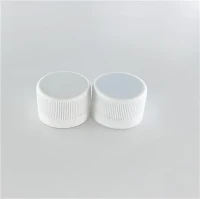
Hey there! As a supplier of Flip Top Cap Moulds, I often get asked about the requirements for mold polishing. It's a crucial step in the mold - making process that can significantly impact the quality of the final product. So, let's dive right in and explore what it takes to polish a flip top cap mould properly.
Why Mold Polishing Matters
First off, why is mold polishing so important? Well, a well - polished mold can produce flip top caps with a smooth surface finish. This not only makes the caps look more appealing but also improves their functionality. For example, a smooth - surfaced cap is easier to open and close, and it provides a better seal, which is vital for products like Spice Flip Top Cap Mould, where keeping the contents fresh is key.
Moreover, proper polishing can reduce the wear and tear on the mold. When the mold surface is smooth, there is less friction between the mold and the plastic material during the injection - molding process. This means the mold will last longer, saving you money in the long run.


Surface Finish Requirements
The surface finish of a flip top cap mould is usually specified in terms of roughness. For most flip top cap applications, a very low surface roughness is required. A common target is a Ra value (average roughness) of around 0.025 to 0.2 microns.
For caps that will be in direct contact with food, like those used in spice containers, an even smoother finish is often necessary. This is to ensure that no food particles stick to the cap surface, maintaining hygiene standards. On the other hand, for caps like Wet Wipes Lid Mold, where the focus is more on functionality and a bit of texture can help with grip, the surface finish requirements might be slightly less strict, but still need to be within an acceptable range.
Polishing Tools and Techniques
To achieve the desired surface finish, a variety of polishing tools and techniques are used.
Abrasive Papers
Abrasive papers are one of the most commonly used tools for initial polishing. They come in different grit sizes, starting from coarse grits (around 120 - 240 grit) for removing large scratches and imperfections on the mold surface. As the polishing progresses, finer grit papers (up to 2000 - 4000 grit) are used to achieve a smoother finish.
Diamond Pastes
Diamond pastes are used for the final stages of polishing. They contain tiny diamond particles that can create an extremely smooth surface. Diamond pastes are available in different grades, and the choice depends on the required surface finish. For high - precision flip top cap molds, very fine diamond pastes with particle sizes as small as 0.25 microns might be used.
Buffing Wheels
Buffing wheels are used to give the mold a shiny, mirror - like finish. They are often used in combination with polishing compounds. The buffing process helps to remove any remaining micro - scratches and gives the mold a professional look.
Process Steps for Mold Polishing
The mold polishing process typically involves several steps:
Initial Inspection
Before starting the polishing process, the mold is thoroughly inspected for any defects such as cracks, porosity, or uneven surfaces. Any issues found at this stage need to be corrected before proceeding with polishing.
Rough Polishing
This step involves using coarse - grit abrasive papers to remove large machining marks and surface irregularities. The abrasive paper is wrapped around a polishing block, and the mold surface is rubbed in a consistent pattern to ensure even removal of material.
Intermediate Polishing
After rough polishing, intermediate - grit abrasive papers are used to further smooth the surface. This step helps to reduce the roughness and prepare the mold for the final polishing stage.
Final Polishing
The final polishing stage uses diamond pastes and buffing wheels to achieve the desired surface finish. This is a very delicate process that requires a lot of skill and patience. The polisher needs to work slowly and carefully to avoid creating new scratches or unevenness.
Quality Control
Quality control is an essential part of the mold polishing process. After polishing, the mold surface is inspected using a surface roughness tester to ensure that it meets the specified Ra value. Visual inspection is also carried out to check for any visible scratches or defects.
In addition, test shots are often made using the polished mold to evaluate the quality of the flip top caps produced. Any issues identified during the test shots can then be addressed by further polishing or making adjustments to the mold.
Impact on Different Types of Flip Top Cap Moulds
Different types of flip top cap moulds have slightly different requirements for polishing.
Spice Flip Top Cap Mould
As mentioned earlier, spice flip top cap moulds need to have a very smooth surface finish to ensure food safety and prevent food particles from sticking. The polishing process for these molds needs to be extra careful to meet strict hygiene standards.
Flip Top Mould
General flip top moulds used for a variety of products need to balance between a smooth finish for aesthetics and functionality. Depending on the product requirements, the surface finish might need to be adjusted accordingly.
Wet Wipes Lid Mold
Wet wipes lid molds need to have a surface finish that provides enough grip for easy opening and closing. While a smooth finish is still important, a bit of texture can be incorporated during the polishing process to enhance the grip.
Conclusion
Mold polishing is a critical step in the production of flip top cap moulds. It requires a combination of the right tools, techniques, and skills to achieve the desired surface finish. Whether you're making Spice Flip Top Cap Mould, Flip Top Mould, or Wet Wipes Lid Mold, understanding the specific requirements for each type of mold is essential.
If you're in the market for high - quality flip top cap moulds, don't hesitate to reach out. We have the expertise and experience to provide you with molds that meet your exact specifications. Contact us today to start a conversation about your mold - making needs.
References
- Plastics Injection Molding Handbook, Second Edition, by O.C. Lee
- Mold Polishing Techniques and Best Practices, industry whitepaper