Yo, what's up everyone! I'm a supplier of preservation tubes, and I've been keeping a close eye on the industry. In this blog, I'm gonna share with you what I think are the future trends of preservation tube development.


1. Material Innovation
First off, material innovation is gonna be huge. Right now, most preservation tubes are made of plastic or glass. But there's a growing demand for more advanced materials. For example, some new polymers are being developed that offer better chemical resistance and longer shelf - life. These materials can prevent the degradation of samples stored inside the tubes, which is super important for medical and scientific research.
We're also seeing a trend towards using biodegradable materials. With the increasing focus on environmental protection, many customers are looking for more sustainable options. Biodegradable preservation tubes can reduce the environmental impact, especially in large - scale research facilities where tons of tubes are used every year.
2. Design Improvements
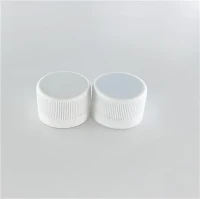
The design of preservation tubes is also evolving. One of the key trends is the development of tubes with better sealing mechanisms. A good seal is crucial to prevent sample contamination and evaporation. New cap designs are being introduced, like the ones you can check out in the Medical PP Injection Blood Collection Tube Mold. These molds can produce caps that fit tightly on the tubes, ensuring a reliable seal.
Another design improvement is the integration of features for easy handling. For instance, some tubes now have textured surfaces or ergonomic shapes that make them easier to grip, especially when wearing gloves. This is really helpful in laboratory settings where precision and safety are top priorities.
3. Compatibility with Automation
Automation is becoming more and more common in the medical and scientific fields. Preservation tubes need to be compatible with automated systems for tasks like sample collection, processing, and storage. This means that tubes will need to have standardized dimensions and features that can be recognized and handled by automated equipment.
For example, tubes with barcode labels are becoming more popular. Barcodes can be scanned by automated systems, allowing for accurate tracking of samples. This not only improves efficiency but also reduces the risk of human error.
4. Specialized Applications
There's a growing need for preservation tubes designed for specialized applications. In the medical field, for example, there are requirements for tubes that can preserve specific types of cells or biomolecules. Some tubes are designed to maintain the viability of stem cells, while others are optimized for the preservation of DNA or RNA.
In the food and beverage industry, preservation tubes are used to test for contaminants or to analyze the quality of products. Tubes for these applications need to be able to withstand different chemical environments and provide accurate results.
5. Smart Features
The future of preservation tubes might also include smart features. Imagine a tube that can monitor the temperature, humidity, or other environmental conditions inside it. This information could be transmitted wirelessly to a central system, allowing researchers to keep track of the samples in real - time.
Some companies are already working on developing tubes with sensors that can detect changes in the sample, such as the presence of certain chemicals or the growth of microorganisms. These smart tubes could revolutionize the way we store and analyze samples.
6. Cost - effectiveness
In today's competitive market, cost - effectiveness is always a major concern. Manufacturers are constantly looking for ways to reduce the production cost of preservation tubes without sacrificing quality. This could involve using more efficient manufacturing processes or finding alternative raw materials.
For example, the Effervescent Tablets Cap Mould and Medical Plastic Test Tubes Screw Cap Mould are designed to optimize the production of caps, which can help lower the overall cost of the preservation tubes.
7. Regulatory Compliance
As the use of preservation tubes becomes more widespread, regulatory compliance is becoming increasingly important. Tubes need to meet strict standards for safety, quality, and performance. Manufacturers need to ensure that their products are compliant with regulations in different countries and regions.
This means that there will be a greater emphasis on quality control during the manufacturing process. Companies will need to invest in testing equipment and quality management systems to ensure that their preservation tubes meet all the necessary requirements.
Conclusion
So, there you have it - these are some of the future trends of preservation tube development. As a supplier, I'm really excited about these changes. They offer great opportunities for us to provide better products to our customers.
If you're in the market for preservation tubes or have any questions about our products, I'd love to hear from you. Whether you're a researcher, a medical professional, or someone in the food industry, we can work together to find the right preservation tube solutions for your needs. Just reach out to start a conversation about procurement and let's see how we can collaborate!
References
- Industry reports on medical and scientific equipment development
- Research papers on material science and automation in the laboratory setting