Hey there! As a preservation tube supplier, I often get asked about the inactivation rate of viruses in our tubes. It's a super important topic, especially in these times when we're all so concerned about infectious diseases. So, let's dig into it and find out what's going on with virus inactivation in our preservation tubes.
First off, what exactly is the inactivation rate? Well, it's basically the percentage of viruses that get rendered non - infectious in a given environment, in this case, inside our preservation tubes. There are a bunch of factors that can affect this rate, and understanding them is key to making sure our tubes work as effectively as possible.
One of the main factors is the type of preservation solution used in the tube. Different solutions have different chemical properties that can interact with viruses in various ways. For example, some solutions contain chemicals that can break down the viral envelope, which is like the outer protective layer of the virus. Once this envelope is damaged, the virus can't infect cells anymore, and that's a big step towards inactivation.
Another factor is the time the virus spends in the tube. Generally speaking, the longer the virus is in the preservation tube, the higher the chance of inactivation. This is because the chemicals in the solution have more time to work their magic on the virus. But it's not just a simple linear relationship. There's often a point where the inactivation rate levels off, meaning that after a certain amount of time, adding more time doesn't significantly increase the inactivation rate.
Temperature also plays a huge role. Viruses are pretty sensitive to temperature changes. Most of the time, higher temperatures can speed up the inactivation process. But we have to be careful here because if the temperature gets too high, it can also damage the preservation solution or the tube itself. So, we usually recommend storing the tubes at a specific temperature range to ensure optimal virus inactivation.
Now, let's talk about how we test the inactivation rate of viruses in our preservation tubes. We use a bunch of scientific methods to figure this out. One common method is the plaque assay. In this test, we take a sample from the preservation tube and add it to a layer of cells that the virus can infect. If the virus is still active, it will infect the cells and form little clear spots called plaques. By counting these plaques, we can estimate how many active viruses are left in the sample and calculate the inactivation rate.
We also use molecular methods like PCR (Polymerase Chain Reaction). PCR can detect the genetic material of the virus. Even if the virus is inactivated, its genetic material might still be present in the sample. By comparing the amount of viral genetic material in the initial sample and the sample from the preservation tube after a certain time, we can get an idea of how much of the virus has been inactivated.


As a preservation tube supplier, we're constantly working to improve the inactivation rate of our tubes. We're always researching new preservation solutions and testing different combinations of chemicals to see which ones work best. We also pay close attention to the manufacturing process to make sure each tube is of the highest quality.
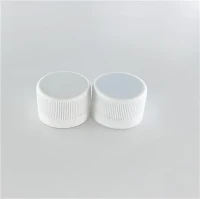
Now, I want to mention some of the products related to our preservation tubes. We have some really cool molds that are used in the production of our tubes. For example, the Effervescent Tablets Cap Mould is an important part of the manufacturing process. This mold helps us create the caps for our tubes in a precise and efficient way. The caps are crucial because they seal the tube and keep the preservation solution and the virus sample inside.
Another great product is the Medical PP Injection Blood Collection Tube Mold. This mold is used to make the actual tubes. It's designed to produce tubes with the right shape, size, and thickness. A well - made tube is essential for maintaining the integrity of the preservation solution and ensuring proper virus inactivation.
And let's not forget about the Medical Plastic Test Tubes Screw Cap Mould. This mold is used to create the screw caps for our test tubes. The screw caps provide a tight seal, which is important for preventing any leakage of the preservation solution or the virus sample.
So, why should you choose our preservation tubes? Well, for starters, we have a high - quality manufacturing process that ensures each tube meets strict standards. Our tubes have been tested extensively to make sure they have a high virus inactivation rate. We also offer excellent customer service. If you have any questions about our tubes or the virus inactivation process, our team of experts is always here to help.
If you're in the market for preservation tubes, whether you're a research lab, a hospital, or a diagnostic center, we'd love to talk to you. We can provide you with samples so you can test our tubes in your own environment. And we're always open to customizing our products to meet your specific needs. So, don't hesitate to reach out if you're interested in learning more or making a purchase.
In conclusion, the inactivation rate of viruses in a preservation tube is a complex but important topic. By understanding the factors that affect it and using proper testing methods, we can ensure that our preservation tubes are effective at inactivating viruses. And with our high - quality products and excellent customer service, we're confident that we can meet your preservation tube needs. So, if you're looking for a reliable preservation tube supplier, give us a shout, and let's start a conversation.
References
- "Principles of Virology" by Flint et al.
- "Virology Methods Manual" edited by Mahy and Kangro.