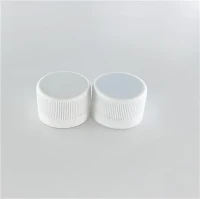
Hey there! As an oil cap mould supplier, I often get asked about the flowability of plastic in an oil cap mould. It's a super important topic, so I thought I'd share some insights with you all.
First off, let's talk about what flowability actually means. In the context of plastic in an oil cap mould, flowability refers to how easily the molten plastic can move and fill the entire mould cavity. You see, when we're making oil caps, we want the plastic to spread out evenly and reach every nook and cranny of the mould. This ensures that the final product has the right shape, size, and quality.
There are a few factors that can affect the flowability of plastic in an oil cap mould. One of the biggest ones is the type of plastic we're using. Different plastics have different properties, and some flow better than others. For example, polypropylene (PP) is a commonly used plastic for oil caps because it has good flowability. It can easily flow through the mould and form a smooth, consistent cap. On the other hand, some engineering plastics might have lower flowability, which can make it a bit more challenging to fill the mould properly.
The temperature also plays a crucial role. When the plastic is heated to a higher temperature, it becomes more fluid and flows more easily. However, we can't just crank up the heat as high as we want. If the temperature is too high, the plastic might degrade or develop other issues like discoloration or bubbles. So, we need to find the sweet spot where the plastic has good flowability without causing any problems.


The design of the oil cap mould itself is another key factor. The shape and size of the mould cavity, as well as the gate system (the entry point for the plastic), can all impact how the plastic flows. A well-designed mould with smooth surfaces and an optimized gate system will allow the plastic to flow more freely. For instance, if the gate is too small, it can restrict the flow of plastic and cause uneven filling. On the other hand, if it's too large, it might lead to other issues like excessive flashing.
Now, let's take a closer look at some of the specific types of oil cap moulds we offer. We have the Edible Oil Cap Mould. These moulds are designed to produce caps for edible oil bottles. The flowability of plastic in these moulds is crucial because we need to ensure that the caps are of high quality and can effectively seal the oil bottles. The plastic needs to flow smoothly to create a tight seal and prevent any leakage.
Our Oil Bottle Lid Mould is another popular option. These moulds are used to make lids for various oil bottles. The flowability of plastic here is important for achieving a proper fit and finish. If the plastic doesn't flow well, the lid might not fit correctly on the bottle, which can lead to problems during transportation and storage.
And then there's the Oil Bottle Tear Cap Mould. These moulds are used to create tear-off caps for oil bottles. The flowability of plastic is essential for creating a clean and easy-to-tear seal. If the plastic doesn't flow evenly, the tear line might not be straight or the cap might be difficult to tear off.
To measure the flowability of plastic in an oil cap mould, we often use a test called the melt flow index (MFI). This test measures how much plastic can flow through a small opening in a specified amount of time under a certain temperature and pressure. A higher MFI value generally indicates better flowability. However, it's important to note that the MFI is just one factor, and we also need to consider other aspects like the mould design and processing conditions.
When we're working on a new oil cap mould project, we conduct a lot of tests and simulations. We use advanced software to analyze how the plastic will flow in the mould. This helps us optimize the mould design and processing parameters before we start production. By doing this, we can ensure that the plastic will have good flowability and that the final oil caps will meet our customers' requirements.
In addition to the technical aspects, we also focus on providing excellent customer service. We understand that every customer has different needs, and we're always ready to work closely with them to find the best solutions. Whether you need a custom-designed oil cap mould or have specific requirements for the plastic flowability, we're here to help.
If you're in the market for an oil cap mould, I encourage you to get in touch with us. We have a team of experienced professionals who can answer all your questions and guide you through the process. We're confident that we can provide you with high-quality moulds that will meet your production needs and help you create top-notch oil caps. So, don't hesitate to reach out and start a conversation about your project.
References
- Plastics Engineering Handbook. A comprehensive guide on plastics properties and processing.
- Injection Molding Technology. A resource that covers various aspects of injection molding, including plastic flow in moulds.