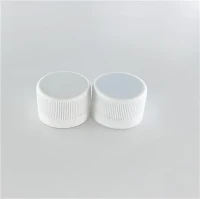
Hey there! As a supplier of 20L Oil Cap Moulds, I often get asked about the special requirements for the power supply of these moulds. In this blog, I'll share some insights based on my experience in the industry.
First off, let's talk about why the power supply matters for a 20L Oil Cap Mould. These moulds are used in the manufacturing process of oil caps, which requires precision and consistency. A stable and appropriate power supply is crucial to ensure the smooth operation of the mould and the quality of the produced caps.
One of the main special requirements for the power supply is voltage stability. Fluctuations in voltage can cause problems such as uneven heating of the mould, which can lead to defects in the caps. For a 20L Oil Cap Mould, a stable voltage within a certain range is necessary. Usually, a voltage of around 220V or 380V is common, depending on the specific design and requirements of the mould. However, it's important to note that the actual voltage requirements may vary from one mould to another.
Another important aspect is the power capacity. The 20L Oil Cap Mould needs enough power to operate effectively. This includes power for heating elements, hydraulic systems, and other components. If the power capacity is insufficient, the mould may not reach the required temperature or may not function properly. When selecting a power supply, it's essential to consider the total power consumption of the mould and ensure that the power supply can meet these demands.

In addition to voltage stability and power capacity, the power supply should also have good protection features. Over - current protection, over - voltage protection, and short - circuit protection are all necessary to safeguard the mould and prevent damage. These protection features can help extend the lifespan of the mould and reduce the risk of malfunctions.

Let's also consider the frequency of the power supply. In most regions, the standard frequency is either 50Hz or 60Hz. The 20L Oil Cap Mould should be designed to work with the local power frequency. Using a power supply with an incorrect frequency can cause the mould to operate inefficiently or even damage its components.

Now, I'd like to mention some of our other products. We also offer Oil Bottle Tear Cap Mould, which is designed for tear - off caps used on oil bottles. These moulds are highly precise and can produce caps with excellent tear - off performance. Another great product is our 24 Cavities Cooking Oil Cap Mould. With 24 cavities, it can significantly increase the production efficiency of cooking oil caps. And of course, we have the Oil Bottle Cap Mould, which is suitable for various types of oil bottle caps.
If you're in the market for a 20L Oil Cap Mould or any of our other products, don't hesitate to reach out. We're always ready to have a chat about your specific needs and provide you with the best solutions. Whether you're a small - scale manufacturer or a large - scale production facility, we can offer the right mould for you.
In conclusion, the power supply for a 20L Oil Cap Mould has several special requirements, including voltage stability, appropriate power capacity, good protection features, and the right frequency. By ensuring that these requirements are met, you can guarantee the smooth operation of the mould and the high - quality production of oil caps. So, if you're looking to upgrade or purchase a new 20L Oil Cap Mould, make sure to pay close attention to the power supply details.

References:
- Industry knowledge and experience in the field of mould manufacturing.
- Technical specifications of 20L Oil Cap Moulds.