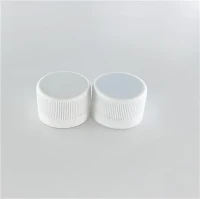
As a supplier of water bottle cap moulds, I've witnessed firsthand the crucial role that the parting line plays in the manufacturing process. The parting line, a fundamental concept in injection molding, significantly impacts various aspects of water bottle cap production, from aesthetics to functionality and cost - effectiveness.
Aesthetic Impact
One of the most immediate impacts of the parting line on a water bottle cap mould is on the product's appearance. A well - designed parting line can result in a cap that looks seamless and professional. When the parting line is carefully placed, it becomes almost invisible to the naked eye, enhancing the overall visual appeal of the bottle cap.
On the other hand, a poorly placed parting line can create unsightly burrs or flash on the cap. These imperfections are not only unappealing but can also give the impression of a low - quality product. For example, if the parting line runs across a prominent surface of the cap, it can disrupt the smoothness of the design, making the cap look less refined. This is especially important in the consumer market, where the appearance of the product can heavily influence purchasing decisions.
In the competitive beverage industry, a visually appealing bottle cap can set a brand apart. Our [Water Bottle Cap Mold](/cap - mould/water - bottle - cap - mould/water - bottle - cap - mold.html) is designed with great attention to the placement of the parting line to ensure that the final product meets the high aesthetic standards of our clients.
Functional Impact
The parting line also has a profound impact on the functionality of the water bottle cap. One of the key functions of a bottle cap is to provide a tight seal to prevent leakage. If the parting line is not properly designed, it can compromise the integrity of the seal. For instance, if there are burrs or unevenness along the parting line, it can prevent the cap from fitting snugly onto the bottle, leading to leaks.

In addition, the parting line can affect the ease of opening and closing the cap. A well - placed parting line ensures that the cap has a consistent shape and thickness, which in turn makes it easier for consumers to twist the cap on and off. If the parting line causes irregularities in the cap's structure, it can make the cap difficult to open, frustrating the end - user.
Our [28mm Bottle Caps Mold](/cap - mould/water - bottle - cap - mould/28mm - bottle - caps - mold.html) is engineered to optimize the parting line for maximum functionality. By carefully controlling the position and quality of the parting line, we ensure that the caps produced have a reliable seal and are easy to use.
Manufacturing Efficiency
From a manufacturing perspective, the parting line has a significant impact on the efficiency of the production process. A well - designed parting line can reduce the cycle time of the injection molding process. When the parting line is properly placed, it allows for easy ejection of the molded cap from the mould. This means that the mould can be opened and closed more quickly, increasing the number of caps that can be produced in a given time.
Conversely, a poorly designed parting line can lead to longer cycle times. If the cap gets stuck in the mould due to an unfavorable parting line, additional time and effort are required to remove it. This not only slows down production but also increases the risk of damage to the cap or the mould.
Moreover, the parting line affects the amount of waste generated during the manufacturing process. A well - defined parting line results in less flash, which means less material is wasted. This is not only cost - effective but also more environmentally friendly. Our [30mm Mineral Water Bottle Cap Mould](/cap - mould/water - bottle - cap - mould/30mm - mineral - water - bottle - cap - mould.html) is designed to minimize waste and optimize production efficiency through precise parting line design.
Cost - Effectiveness
The impact of the parting line on cost - effectiveness cannot be overstated. A well - designed parting line can reduce production costs in several ways. As mentioned earlier, it can reduce cycle times, which means more caps can be produced per hour. This increases the overall output of the manufacturing facility, spreading the fixed costs over a larger number of units.
In addition, a properly placed parting line reduces the need for secondary operations such as deburring. Deburring is a time - consuming and labor - intensive process that adds to the cost of production. By minimizing the formation of burrs and flash, the parting line design can eliminate or reduce the need for this step.
Furthermore, a good parting line design can extend the lifespan of the mould. If the cap ejects smoothly from the mould, there is less wear and tear on the mould components. This reduces the frequency of mould maintenance and replacement, resulting in significant cost savings over the long term.
Design Considerations for the Parting Line
When designing a water bottle cap mould, several factors need to be considered to optimize the parting line. First, the shape and size of the cap play a crucial role. For example, a cap with a complex shape may require a more carefully planned parting line to ensure proper ejection and a good seal.
The material used for the cap also affects the parting line design. Different materials have different shrinkage rates during the cooling process. The parting line needs to be designed in such a way that it accommodates these shrinkage differences to prevent warping or distortion of the cap.
Another important consideration is the intended use of the bottle cap. If the cap is for a high - pressure application, such as a carbonated beverage, the parting line needs to be designed to withstand the internal pressure without compromising the seal.
Conclusion
In conclusion, the parting line has a far - reaching impact on water bottle cap moulds. It affects the aesthetics, functionality, manufacturing efficiency, and cost - effectiveness of the caps produced. As a water bottle cap mould supplier, we understand the importance of a well - designed parting line. Our team of experts uses the latest technology and industry knowledge to optimize the parting line in all our moulds, including the [28mm Bottle Caps Mold](/cap - mould/water - bottle - cap - mould/28mm - bottle - caps - mold.html), [Water Bottle Cap Mold](/cap - mould/water - bottle - cap - mould/water - bottle - cap - mold.html), and [30mm Mineral Water Bottle Cap Mould](/cap - mould/water - bottle - cap - mould/30mm - mineral - water - bottle - cap - mould.html).

If you are in the market for high - quality water bottle cap moulds, we invite you to contact us for a detailed discussion. Our team is ready to work with you to understand your specific requirements and provide you with the best solutions for your business.
References
- Campbell, F. C. (2008). Manufacturing Engineering & Technology. Pearson Prentice Hall.
- Throne, J. L. (2006). Plastics Process Engineering. Hanser Gardner Publications.
- Rosato, D. V., & Rosato, D. V. (2000). Injection Molding Handbook. Kluwer Academic Publishers.